

Pine Marten Reintroduction on Exmoor: A Historic Wildlife Return (2025)
Pine martens have returned to Exmoor National Park for the first time in over a century. In September 2025, the Two Moors Pine Marten Project successfully released 19 pine martens across carefully selected woodland sites, marking a pivotal moment in Exmoor’s ongoing rewilding efforts. This conservation initiative brings together Devon Wildlife Trust, Exmoor National Park Authority, National Trust, Forestry England, and local landowners in a shared vision of ecosystem restoration.
In This Article:
This reintroduction follows the successful 2024 Dartmoor pine marten release, which has already shown promising signs of breeding and natural dispersal. Together, these projects aim to restore pine martens across Southwest England’s moorlands, reconnecting fragmented populations and enhancing biodiversity.
Why Pine Martens Matter to Exmoor’s Ecosystem
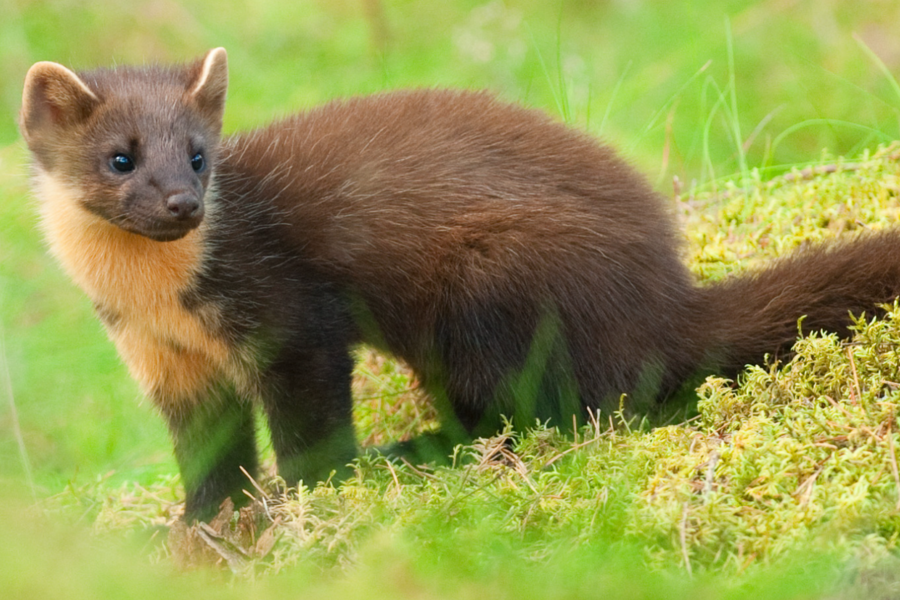
Pine martens (Martes martes) once thrived throughout Exmoor’s woodlands but disappeared during the 18th and 19th centuries due to habitat loss, persecution, and deforestation. Their return represents a crucial step in restoring ecological balance to the National Park.
The Ecological Role of Pine Martens
These elusive mammals play an important role as mesopredators in woodland ecosystems. Their varied diet includes small mammals (voles, mice), birds, insects, and wild berries, making them effective natural pest controllers and seed dispersers. Research also shows pine martens naturally reduce grey squirrel numbers, potentially benefiting native red squirrels and woodland birds.
Pine martens are naturally shy and nocturnal, preferring dense woodland with good canopy cover. They typically establish territories spanning 5-10 square kilometers, though young animals may disperse up to 50 kilometers seeking new areas. This natural dispersal will help connect the Exmoor and Dartmoor populations, creating a resilient metapopulation across the region.
The Pine Marten Release: A Science-Based Approach

The reintroduction followed rigorous conservation methodology developed over decades of wildlife restoration projects. Before any animals arrived, the team conducted extensive habitat assessments, community consultations, and ecological impact studies to ensure the highest chance of success.
Key Facts About the 2025 Release
- Number released: 19 pine martens (9 females, 10 males) from healthy Scottish populations
- Acclimatisation period: Several weeks in soft-release pens with shelter and food
- Monitoring method: Lightweight GPS/VHF radio collars designed to drop off after 6-9 months
- Legal protection: Fully protected under the Wildlife and Countryside Act 1981
- Release timing: Staggered across multiple woodland sites to maximize dispersal
Each pine marten underwent thorough veterinary health screening before translocation, ensuring disease-free status. The radio collar tracking allows conservationists to monitor survival, movement patterns, habitat use, and breeding success without long-term interference with natural behavior.
Experience Wildlife Conservation on Exmoor
Book your stay through The Best of Exmoor and support local conservation efforts while enjoying premium accommodations in the heart of the National Park.

How to Track Pine Martens on Exmoor
If you’re interested in wildlife watching on Exmoor and hope to observe pine marten evidence, focus on finding signs rather than direct sightings. These elusive creatures are extremely difficult to spot, but they leave distinctive traces throughout their territories.
Field Signs to Look For
- Scats (droppings): Dark, twisted, rope-like droppings (6-8cm long) on prominent rocks, logs, or trail junctions, often containing berry seeds or fur
- Footprints: Five-toed tracks showing a “bounding” gait pattern in mud or snow, approximately 4cm wide
- Feeding remains: Plucked bird feathers, opened pine cones, and berry-stained rocks
- Hair samples: Dark brown fur caught on barbed wire, rough bark, or fence posts
- Den sites: Tree cavities in mature woodland (observe from distance only)
Responsible Wildlife Watching
The best times for pine marten evidence are dawn and dusk in mature deciduous and mixed woodlands. Always maintain at least 50 meters distance from any sighting, keep dogs on short leads, and stay on designated paths. Never use food, scent lures, or audio playback to attract pine martens, and respect den sites by never approaching or investigating them.
If you find evidence or spot a pine marten, document it with photos, note the GPS location and habitat details, and submit your observation to iNaturalist or contact the Two Moors Pine Marten Project directly. Your citizen science contributions help monitor population establishment and dispersal patterns.
Addressing Conservation Concerns and Community Coexistence
Successful conservation requires community support and practical solutions. The pine marten project actively engages with local concerns about potential impacts on poultry and game birds while maintaining open dialogue with landowners and residents.
While pine martens prefer wild prey, they may attempt to access poorly secured domestic fowl. The conservation team offers free advice and mitigation support to affected landowners, including guidance on predator-proof housing, vegetation management, and electric fencing. Properly secured coops with robust wire mesh, solid roofing, and reinforced floors effectively prevent access.
Because pine martens are naturally elusive and avoid human activity, experts predict direct conflicts will remain rare with proper precautions. The project’s adaptive management approach allows for intervention if significant, unexpected impacts occur, ensuring both wildlife conservation and community wellbeing.
Part of Exmoor’s Broader Rewilding Vision
The pine marten reintroduction joins other landmark conservation initiatives transforming Exmoor National Park. White-tailed sea eagles now soar above the moorland (read White-Tailed Sea Eagles on Exmoor), while Eurasian beavers reshape wetland ecosystems at Holnicote Estate (see Exmoor’s Beavers).
Together, these species create a more resilient ecosystem through trophic rewilding—restoring ecological processes from top predators through mesopredators to ecosystem engineers. Each species enhances habitat complexity and biodiversity, making Exmoor a premier destination for wildlife watching while strengthening the landscape’s climate resilience.
Over the next 2-5 years, conservationists will closely monitor the Exmoor pine marten population to assess reintroduction success. Key indicators include survival rates, breeding success, territory establishment, and natural dispersal patterns. The ultimate goal is establishing a self-sustaining breeding population that connects with Dartmoor, forming a robust metapopulation across Southwest England.
Frequently Asked Questions About Pine Martens on Exmoor
The pine marten reintroduction is a conservation initiative led by the Two Moors Pine Marten Project in partnership with Devon Wildlife Trust, Exmoor National Park Authority, National Trust, and Forestry England. The project aims to restore pine martens to Exmoor after more than a century of absence, supporting ecosystem recovery and biodiversity enhancement across the National Park.
Nineteen pine martens (9 females and 10 males) were released in September 2025. The animals were carefully translocated from healthy wild populations in Scotland under strict licensing and veterinary protocols to ensure disease-free, genetically diverse founders for the Exmoor population.
No, pine martens are not dangerous to humans. These naturally shy, nocturnal animals actively avoid human contact and will flee if encountered. They pose no threat to dogs or cats and typically weigh only 1-2 kilograms, making them one of Britain’s smaller carnivores.
Pine martens may attempt to prey on poultry if they can access poorly secured enclosures, though they preferentially hunt wild prey. The conservation project works directly with poultry keepers to implement effective mitigation measures including predator-proof housing, vegetation management, and secure nighttime housing. Properly protected poultry are rarely affected.
Pine martens are extremely elusive, so focus on finding evidence rather than direct sightings. Look for twisted, rope-like droppings on prominent rocks, five-toed footprints showing a bounding gait in mud, dark brown fur caught on wire or bark, and feeding remains like plucked feathers. Dawn and dusk in mature woodland offer the best opportunities for finding signs.
Report your sighting to the Two Moors Pine Marten Project with details including date, time, precise location (GPS coordinates if possible), and photos. You can also submit observations to iNaturalist. Always maintain at least 50 meters distance, never disturb the animal, and avoid using food or sounds to attract it.
Pine martens provide multiple ecosystem services including natural pest control of small mammals, seed dispersal of native plants and berries, and potential suppression of invasive grey squirrels that compete with native red squirrels. They serve as indicator species for healthy, well-connected woodland habitats and contribute to overall biodiversity.
A Conservation Legacy in the Making
The September 2025 pine marten reintroduction represents more than the return of a missing species—it signals Exmoor National Park’s commitment to comprehensive ecosystem restoration and community-engaged conservation. As these elusive woodland dwellers establish territories and breed across Exmoor’s forests, they weave another living thread into the moor’s ecological tapestry alongside sea eagles and beavers.
Whether you’re a conservation enthusiast, wildlife photographer, or simply appreciate Exmoor’s natural beauty, the pine marten project invites you to participate in this remarkable journey. Visit the National Park, track their signs, support local conservation efforts, and witness firsthand how landscapes heal when missing species return home.
Plan Your Exmoor Wildlife Experience
Book your conservation-conscious stay through The Best of Exmoor. Your visit directly supports habitat protection, local businesses, and the rewilding efforts bringing species like pine martens back to Exmoor National Park.