

🥾 Looking for the Perfect Winter Walk on Exmoor?
Discover sheltered woodland trails, dramatic river scenery, and cosy cottages with log fires nearby.
Browse Lynmouth Cottages →📋 In This Guide
1. About Watersmeet
Watersmeet is one of Exmoor’s most beloved natural landmarks. Located in the dramatic valley below Lynmouth, it marks the meeting point of the East Lyn River and Hoar Oak Water – two fast-flowing streams that cascade through ancient oak woodland before merging in a swirl of white water.📍 Quick Facts
- Distance: 3 miles (circular route)
- Duration: 1.5 – 2 hours
- Difficulty: Moderate (some steep sections)
- Terrain: Woodland paths, some rocky sections
- Parking: National Trust car park, EX35 6NT
- Facilities: Tea room (seasonal), toilets at car park
- Dog-friendly: Yes, keep on lead near wildlife
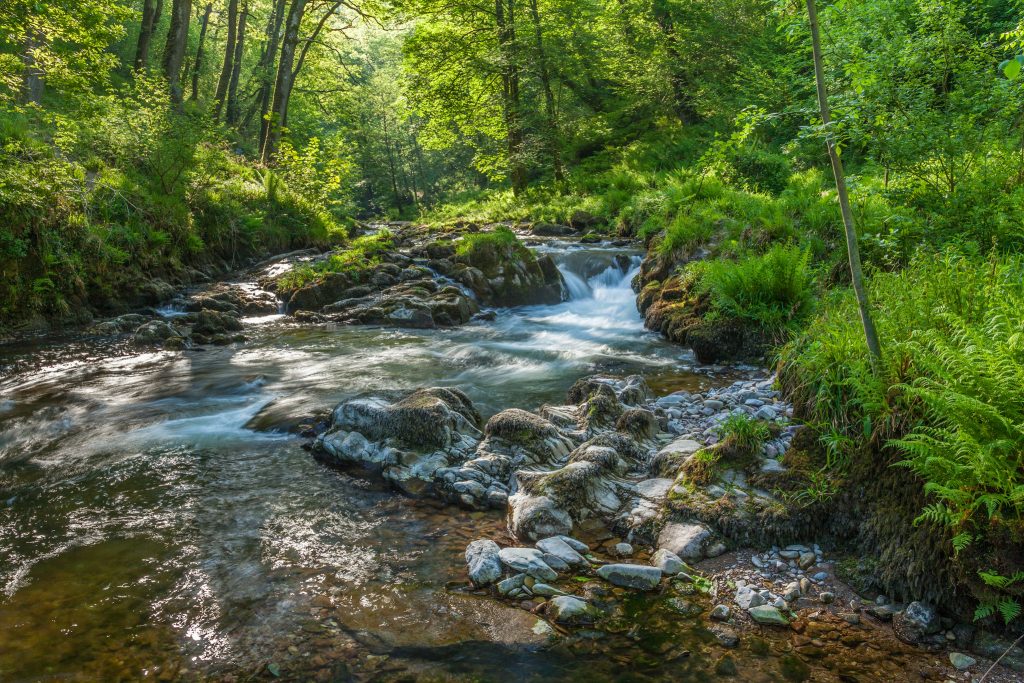
Image Credit: Neville Stanikk
2. Why Walk Here in Winter
While many Exmoor walks become challenging in winter – exposed moorland, muddy tracks, and biting winds – Watersmeet offers a completely different experience. Here’s why it’s the ideal choice for a winter outing:Sheltered Woodland
The deep valley and mature oak canopy provide natural protection from wind and rain. Even on blustery days, the paths remain relatively calm, making this one of the most comfortable winter walks on Exmoor.Dramatic Water Levels
After winter rain, the rivers run high and fast. The confluence becomes a spectacular display of rushing water, with the East Lyn River thundering over rocks and cascading through narrow gorges. It’s a completely different experience from the gentle summer flows.Atmospheric Beauty
Winter transforms the woodland into something magical. Morning mist rises from the water, frost sparkles on moss-covered branches, and the bare trees reveal hidden views of the valley. Wildlife is more visible too – look out for dippers bobbing on riverside rocks and grey wagtails darting along the water’s edge.Firm Paths
Unlike open moorland, the rocky woodland paths drain well and rarely become the muddy quagmires you’ll find elsewhere. The well-maintained National Trust paths provide good footing year-round.Fewer Crowds
While summer brings crowds to this popular spot, winter offers peaceful solitude. You might have the entire trail to yourself, with only the sound of rushing water and birdsong for company.3. Watersmeet Circular Walk Route
This circular walk starts from the National Trust car park and takes you through the heart of the Watersmeet valley. Follow this route for the best winter walking experience:Stage 1: Descend to Watersmeet (0.5 miles)
From the car park, follow the signed path down into the valley. The descent is steep in places but well-surfaced. As you drop down, the sound of rushing water grows louder and the temperature drops noticeably – the valley is always cooler than the surrounding hills.Stage 2: The Confluence (Watersmeet House)
Arrive at the Victorian fishing lodge where the two rivers meet. This is the heart of Watersmeet. In winter, stand on the bridge and watch the turbulent waters merge – after heavy rain, this is genuinely awe-inspiring. The tea room may be closed in winter months, but the views are open year-round.Stage 3: Follow the East Lyn (1 mile)
Continue along the riverside path following the East Lyn River upstream (away from Lynmouth). The path winds through ancient oak woodland, crossing small streams and passing dramatic rock formations. In winter, look for icicles forming on the cliff faces and frozen spray on riverside boulders.Stage 4: Climb to Myrtleberry Cleave (0.5 miles)
At the signed junction, take the path climbing up through Myrtleberry Cleave. This is the steepest section but rewards you with elevated views through the trees. The oak woodland here is particularly atmospheric in winter, with gnarled branches silhouetted against the sky.Stage 5: Return via the High Path (1 mile)
The high-level path brings you back towards the car park with occasional glimpses of the valley below. The going is easier here, with gentler gradients. Complete the circuit by descending back to your starting point.🗺️ Route Summary
- Start/End: National Trust Watersmeet car park (EX35 6NT)
- Total Distance: Approximately 3 miles
- Total Ascent: Approximately 500ft (150m)
- Steepest Section: Myrtleberry Cleave climb
- Navigation: Well-signed throughout
4. What You’ll See
Watersmeet is a feast for the senses in any season, but winter brings its own special magic:The Rivers
After winter rainfall, both the East Lyn and Hoar Oak Water run high and fast. Watch for:- White water rapids tumbling over rocks
- Deep, dark pools with swirling currents
- Waterfalls and cascades normally hidden in summer
- Morning mist rising from the warmer water
Ancient Woodland
The oak woodland is designated a Site of Special Scientific Interest (SSSI). In winter, you’ll notice:- Moss and lichen covering every surface in vibrant greens
- Bare branches revealing the woodland’s ancient structure
- Ferns still green against the winter backdrop
- Occasional holly trees adding festive colour
Wildlife
Winter is actually excellent for wildlife spotting as vegetation thins:- Dippers – small birds bobbing on rocks, even diving underwater
- Grey Wagtails – bright yellow flash along the riverside
- Kingfishers – occasionally seen flashing past
- Grey Herons – patient hunters in the shallows
- Red Deer – sometimes visible on the valley sides
Historic Features
The walk passes several points of interest:- Watersmeet House – Victorian fishing lodge, now National Trust tea room
- Old Lime Kilns – remnants of past industry
- Fishing Pools – traditionally used for salmon and trout
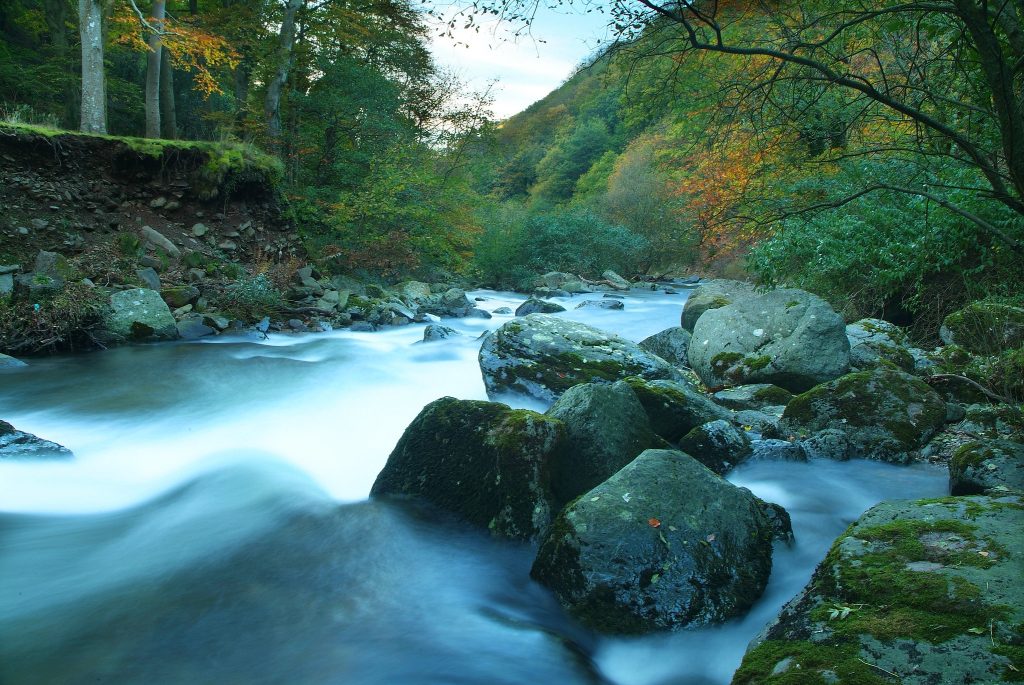
Image Credit: Neville Stanikk
🏡 Warm Up in a Cosy Cottage
After your winter walk, there’s nothing better than returning to a cottage with a crackling log fire. Browse our handpicked properties near Lynmouth.
Find Your Cottage →5. Practical Information
Getting There
By Car: Follow the A39 to Lynmouth, then take the road signed to Watersmeet (approximately 1.5 miles inland). The National Trust car park is well-signed. Parking: National Trust car park at Watersmeet (EX35 6NT). Free for National Trust members; pay & display for others. The car park can get icy in winter – arrive prepared. By Bus: The Exmoor Coaster serves Lynmouth in summer months. In winter, you’ll need private transport.Winter Opening
The National Trust paths are open year-round, 24/7. The car park is usually open, though check for closures during severe weather. Watersmeet House tea room has reduced winter hours – check the National Trust website before visiting if you’re counting on refreshments.Accessibility
The terrain is not suitable for wheelchairs or pushchairs. The paths are narrow, rocky in places, and include steep sections. Good mobility is required.6. Refreshments & Warming Up
After a winter walk, you’ll want somewhere warm to thaw out. Here are your options:Watersmeet House Tea Room
The National Trust tea room in the Victorian fishing lodge serves hot drinks, cakes, and light lunches. Winter hours are limited – typically weekends only from November to February. Check ahead before relying on this for your post-walk warm-up.Lynmouth Village (1.5 miles)
Head down to Lynmouth for more reliable year-round options:- The Rising Sun Hotel – historic inn with log fires and local ales
- Esplanade Fish Bar – traditional fish and chips
- Various cafes – hot drinks and cream teas
Lynton (2 miles)
The clifftop village of Lynton offers additional options, connected to Lynmouth by the famous Cliff Railway (water-powered, operating since 1890).☕ Top Tip
Bring a flask of hot tea or coffee for the walk itself. There’s a perfect spot at the confluence where you can sit and watch the rivers while warming your hands on a hot drink.
7. Cosy Cottages Nearby Watersmeet Circular Walk
Complete your winter Watersmeet experience by staying in one of our handpicked cottages nearby. Each offers the perfect base for exploring the Lyn Valley and returning to warmth and comfort after your walk.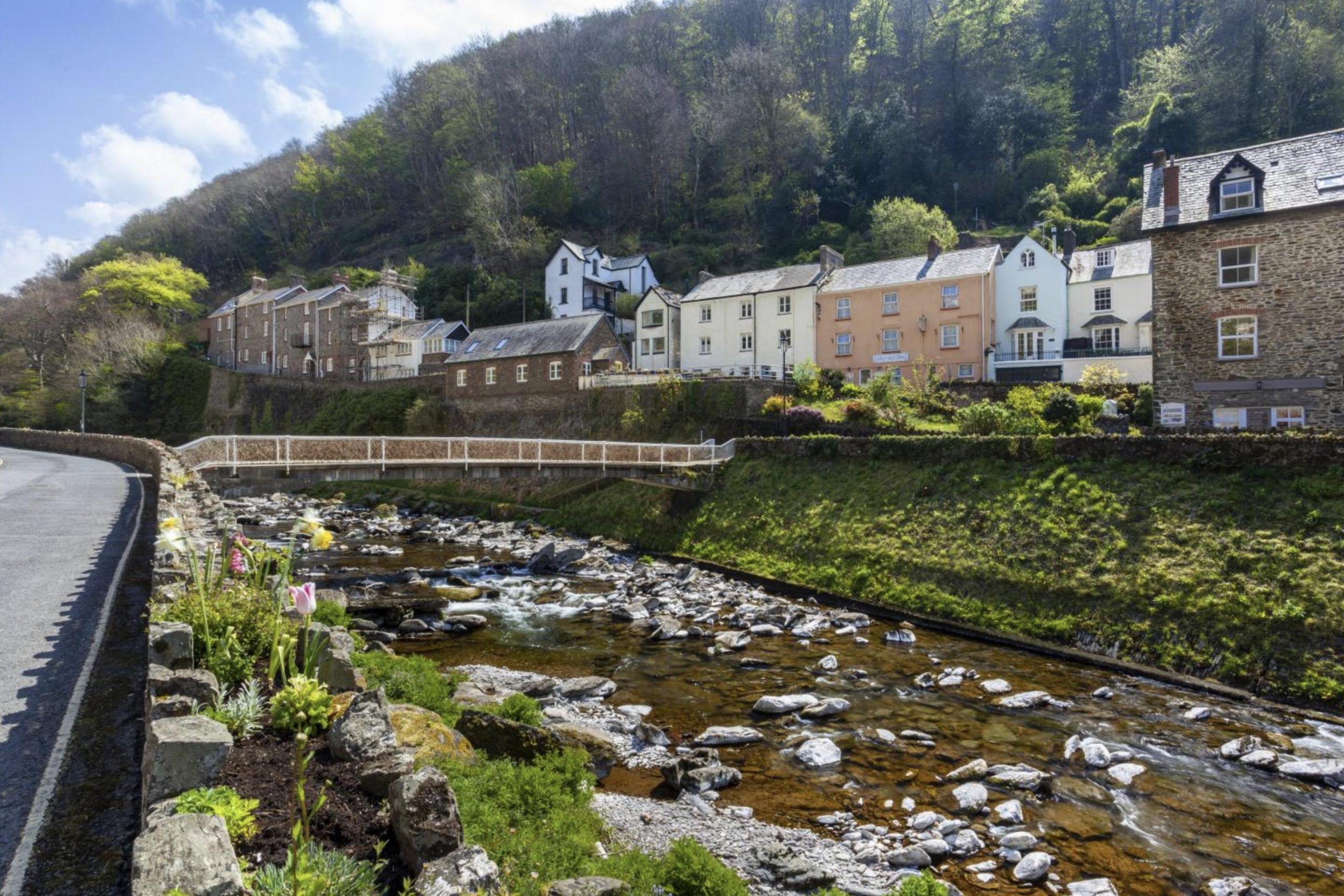
Lorna Doone Cottage
Lynmouth · Sleeps 4
Charming cottage in the heart of Lynmouth village, just steps from the harbour.
View Cottage →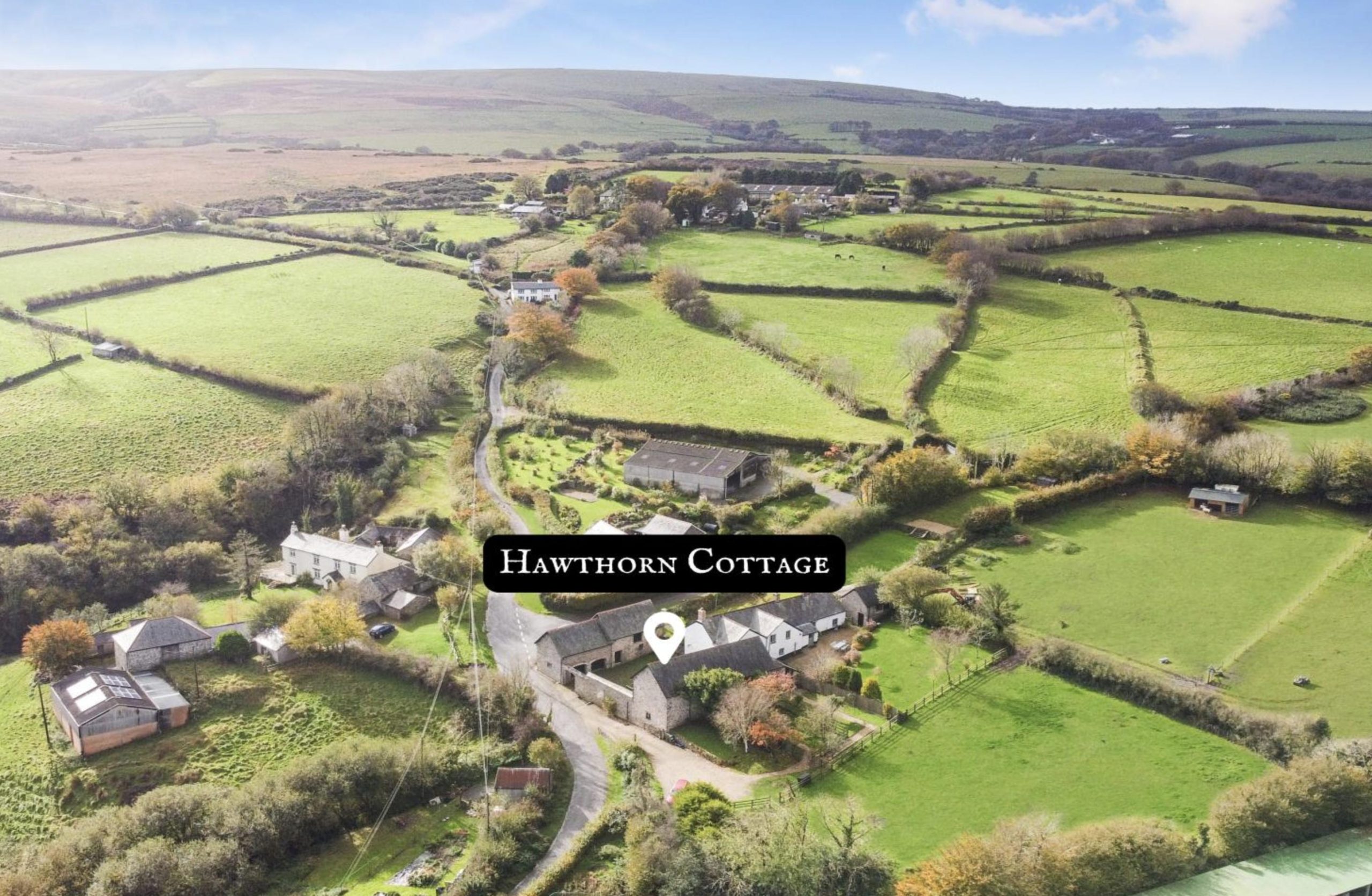
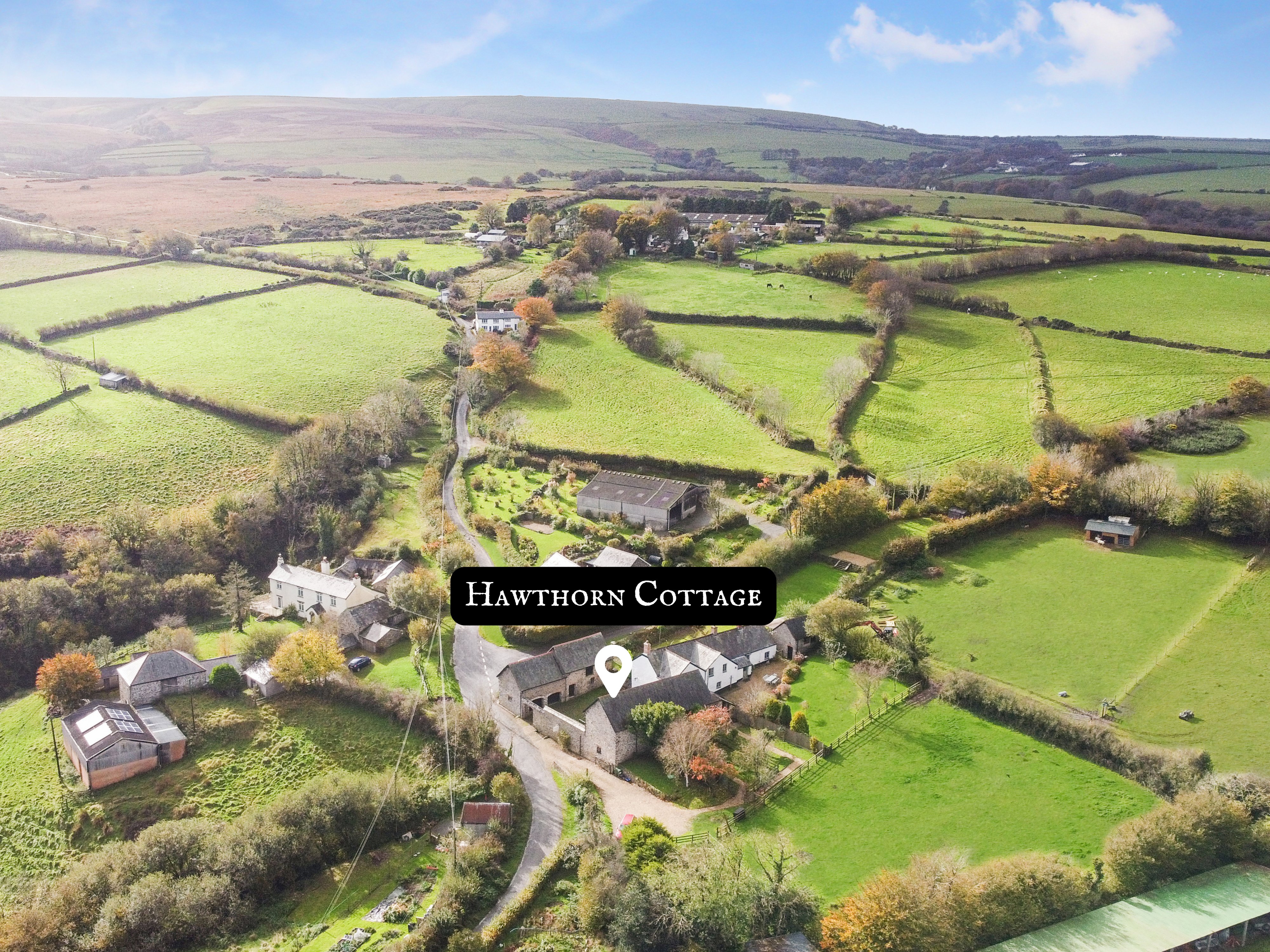
Hawthorn Cottage
Lynton · Sleeps 6
Spacious cottage in clifftop Lynton with stunning views. Ideal for families.
View Cottage →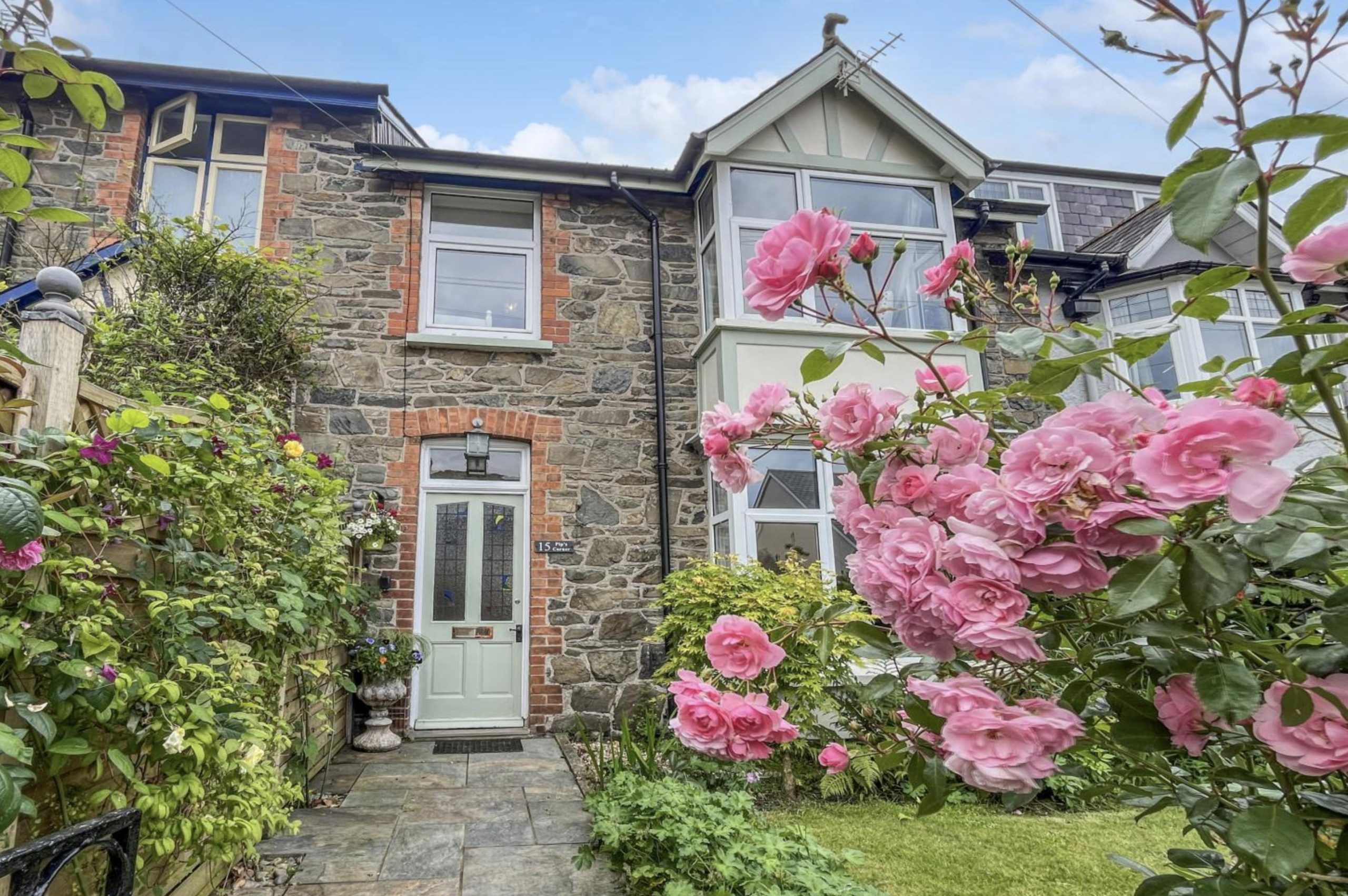
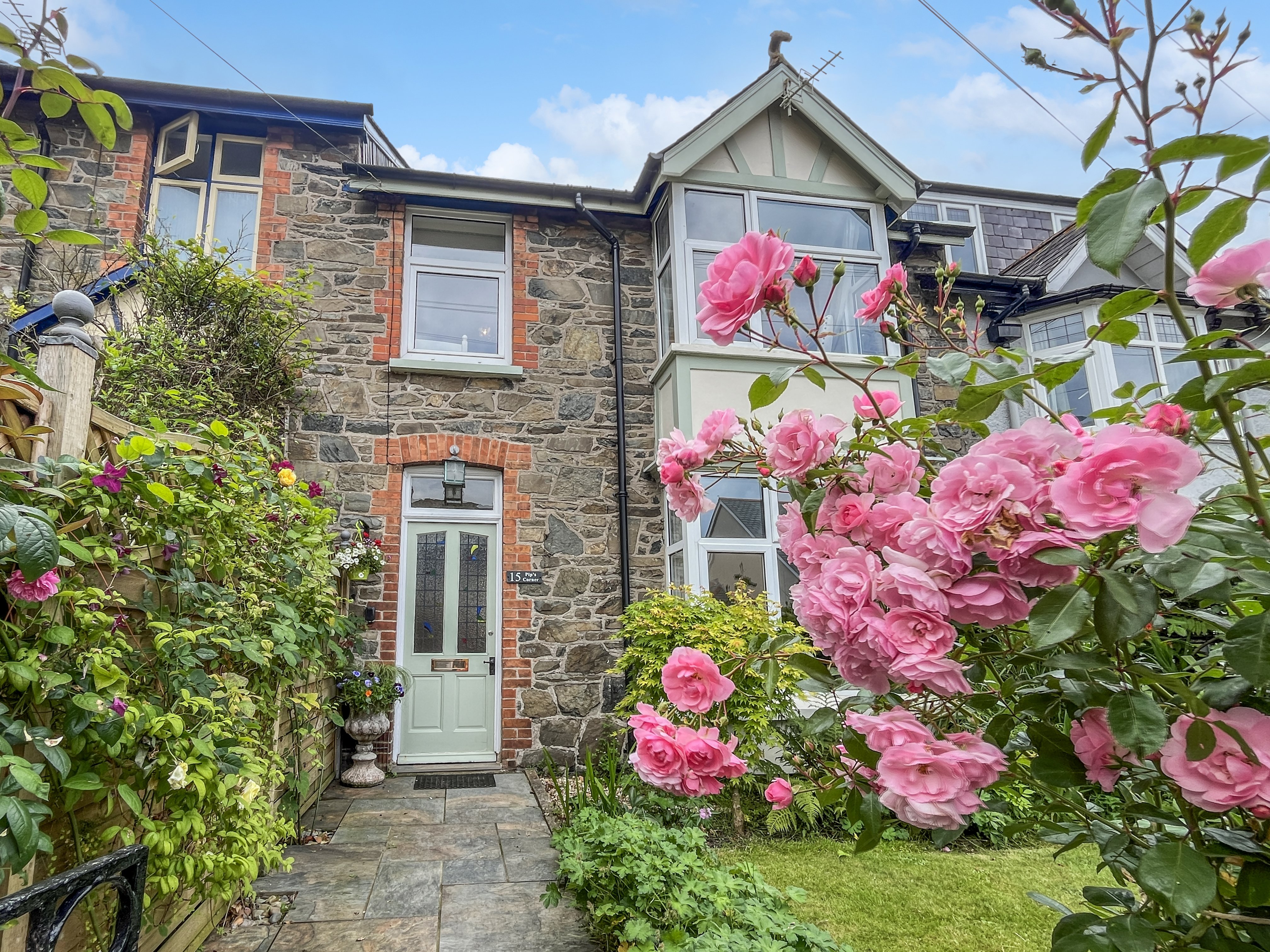
Pip’s Corner
Lynton · Sleeps 6
Comfortable holiday home with everything you need for a cosy winter break.
View Cottage →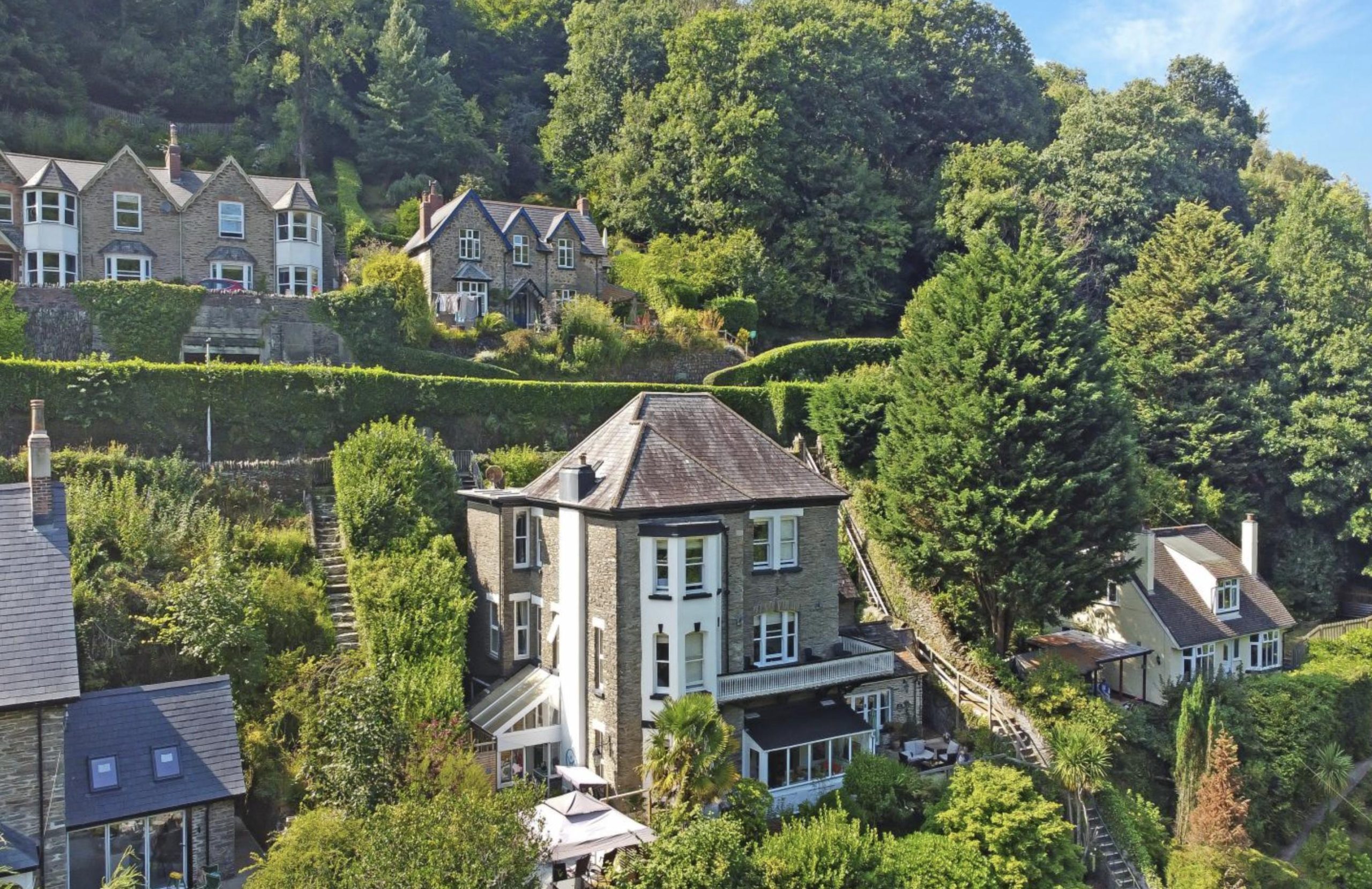
The Cottage at Woodlands
Lynton · Sleeps 2
Romantic retreat for two, perfect for couples seeking a cosy winter escape.
View Cottage →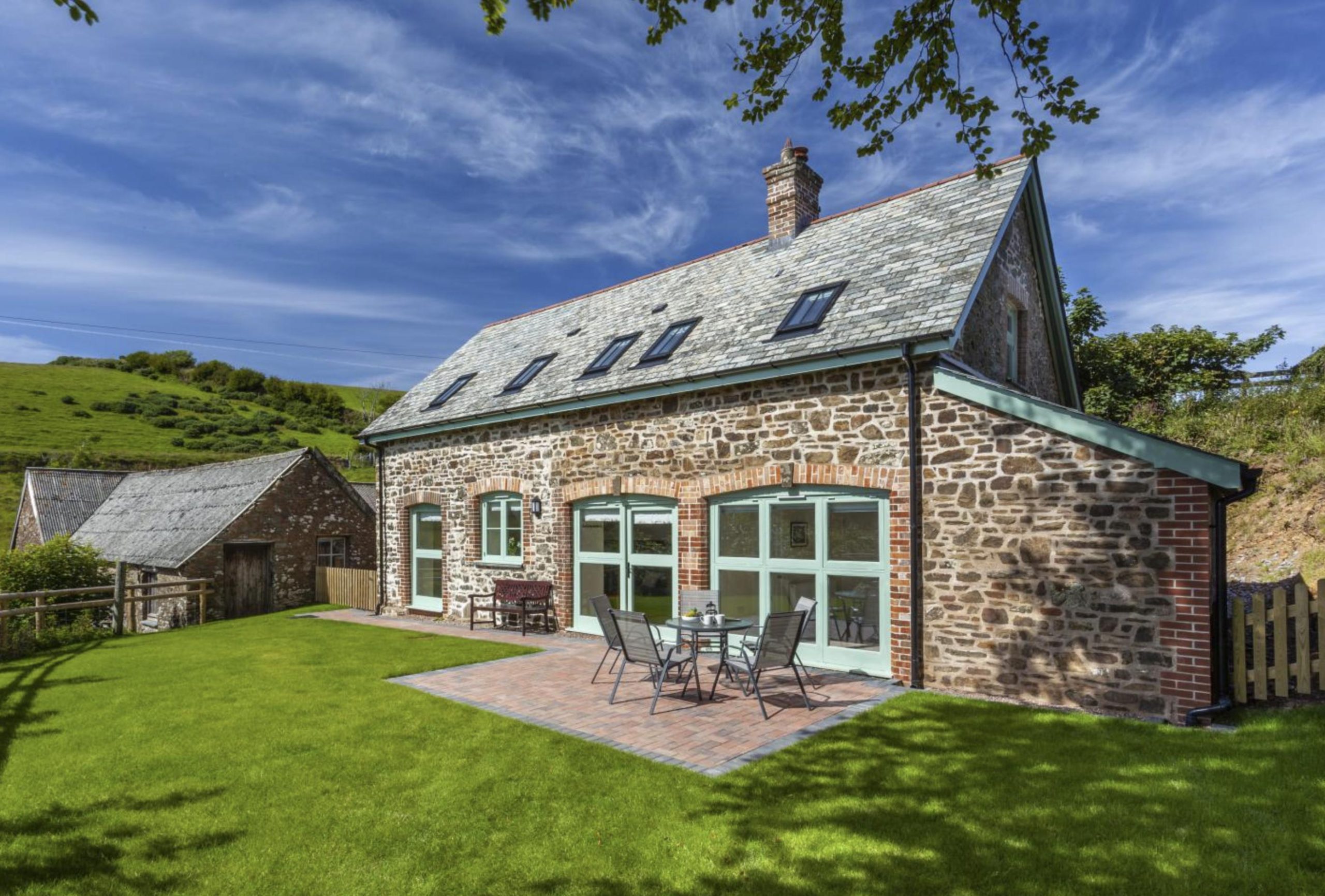
Dashel Cottage
Countisbury · Sleeps 6
Stunning moorland location just above Watersmeet with dramatic views.
View Cottage →
Yenworthy Cottage
Countisbury · Sleeps 6
Historic cottage on the Countisbury Estate. Perfect for winter solitude.
View Cottage →Browse All Lynmouth & Lynton Cottages →
8. Winter Walking Tips
Make the most of your Watersmeet winter walk with these essential tips:| Tip | Details |
|---|---|
| Footwear | Sturdy, waterproof walking boots with good grip. The rocky paths can be slippery when wet or frosty. |
| Layers | The valley is sheltered but cool. Wear layers you can adjust – you’ll warm up on the climbs. |
| Daylight | Winter days are short. Start early enough to complete the walk in daylight – it gets dark quickly in the deep valley. |
| Torch | Carry a torch just in case. If you’re delayed, the woodland becomes very dark very quickly. |
| River Safety | Winter rivers run high and fast. Stay on marked paths and keep a safe distance from the water’s edge. |
| Hot Drinks | Bring a flask – the tea room may be closed, and nothing beats a hot drink at the confluence. |
| Phone Signal | Signal is limited in the valley. Let someone know your plans and expected return time. |
| Dogs | Keep dogs on leads near the river – the currents are strong in winter and banks can be slippery. |
Frequently Asked Questions
Plan Your Watersmeet Winter Walk
Watersmeet offers something truly special in winter – the drama of rushing rivers, the peace of ancient woodland, and the satisfaction of a proper walk without battling exposed moorland conditions. Add in the promise of a cosy cottage waiting at the end, and you have the perfect Exmoor winter day. Whether you’re visiting for a day trip or staying for a longer winter break, Watersmeet should be on your list. The sheltered valley, atmospheric scenery, and excellent paths make it one of the best cold-weather walks in the South West. For more ideas, see our Top 10 Exmoor Walking Spots.Ready for Your Watersmeet Adventure?
Browse our collection of cosy cottages near Lynmouth and Lynton – the perfect base for exploring Watersmeet and the Lyn Valley.
Find Your Perfect Cottage →Stay Near This Walk
Cottages close to the Watersmeet trail

THE BEST OF EXMOOR
We’re a tiny, passionate team of locals who know and love Exmoor. Our mission is simple: to help you find your perfect holiday while showcasing the best this incredible area has to offer.