🦌 Planning a Spring Wildlife Break on Exmoor?
Stay in one of our handpicked holiday cottages and wake up to the sights and sounds of Exmoor’s incredible spring wildlife.
Spring is one of the most magical times to visit Exmoor. As the days lengthen and temperatures rise, the moors and woodlands come alive with new life — from tiny lambs wobbling in the fields to rare migrant birds filling the ancient oak woods with song. Whether you’re a keen birdwatcher, a wildlife photographer, or simply someone who loves being outdoors surrounded by nature, Exmoor in spring has something truly special to offer.
We’ve put together this comprehensive guide to help you discover the best spring wildlife experiences on Exmoor in 2026, including where to go, what to look for, and when to visit for the best sightings.
For more seasonal inspiration, see our 3-day Exmoor spring break itinerary and our guide to the best time to visit Exmoor.
📋 In This Guide
- 1. Lambing Season on Exmoor
- 2. Spring Birding — Migrants & Woodland Song
- 3. Red Deer — Calves & Spring Herds
- 4. Exmoor Ponies & Spring Foals
- 5. River Wildlife — Otters, Dippers & Kingfishers
- 6. Bluebells & Spring Wildflowers
- 7. Guided Wildlife Safaris
- 8. Where to Stay for a Wildlife Holiday
- 9. Top Tips for Spring Wildlife Watching
- Frequently Asked Questions
1. Lambing Season on Exmoor
Best time: March – May | Best for: Families, photographers
Lambing season is one of the highlights of spring on Exmoor. From March onwards, the rolling farmland and moorland edges come alive with newborn lambs. You’ll see them bouncing through fields across the national park, and it’s a wonderful sight whether you’re walking a popular trail or simply driving through the countryside.
Exmoor’s farming heritage runs deep, and many local farms raise traditional breeds well-suited to the moorland landscape. The sight of ewes with their lambs against a backdrop of rolling green hills is quintessentially Exmoor.
📍 Where to See Lambs
- Porlock Vale — Sheltered farmland with excellent lambing views from footpaths
- Exford & surrounding valleys — The heart of Exmoor farming country
- Winsford — Picturesque village surrounded by sheep-grazed fields
- Brendon Hills — Quieter area with plenty of farmland walking
Remember: Please keep dogs on leads around livestock, especially during lambing season. Close gates behind you and give ewes and lambs plenty of space.
2. Spring Birding — Migrants & Woodland Song
Best time: Late April – June | Best for: Birdwatchers, nature lovers
Exmoor’s ancient oak woodlands are some of the finest in Britain for spring birding. From late April, summer migrants arrive to breed, filling the canopy with song. The stunning oak woodlands of Horner Wood — one of the largest ancient oak woodlands in England — are a highlight, where you can hear and spot Wood Warblers, Pied Flycatchers, Redstarts, Cuckoos and Tree Pipits.
For more on birdwatching holidays, see our dedicated birdwatching guide to Exmoor.
📍 Top Spring Birding Spots
- Horner Wood — Wood Warbler, Pied Flycatcher, Redstart, Cuckoo, Tree Pipit
- Dunkery Beacon moorland — Whinchat, Redpoll, Stonechat, birds of prey
- Porlock Marsh — Waders including Redshank, Oystercatcher, Curlew (read our guide)
- River valleys — Dipper, Grey Wagtail, Kingfisher along streams
- Hedgerows everywhere — Yellowhammer, Linnet, Bullfinch
Keep your eyes peeled for white-tailed sea eagles, which have been reintroduced to the region and are occasionally spotted soaring over the coastline.

Featured image and Above image credit: Shaun Davey
3. Red Deer — Calves & Spring Herds
Best time: May – June (calving) | Best for: Wildlife enthusiasts, photographers
Exmoor is home to England’s largest wild herd of red deer — the UK’s largest native land mammal. Spring is a wonderful time to see them as the hinds (females) gather in herds across the moorland. By late May and into June, you may be lucky enough to spot newborn calves, though the hinds often keep them well hidden in bracken and long grass.
The Holnicote Estate (National Trust) is home to more than 300 red deer. The best viewpoints are from Webber’s Post and Cloutsham Fields, where large herds are regularly seen on the high ground between Webber’s Post and Dunkery Beacon.
🦌 Best Deer Viewing Locations
- Webber’s Post & Cloutsham — Holnicote Estate, 300+ red deer
- Horner & Horner Wood — Woodland edges at dawn and dusk
- Simonsbath — Open moorland with regular sightings
- Draydon Rails — Less visited, excellent chances
Tip: Early morning and late afternoon are the best times for deer watching. Bring binoculars and keep your distance — red deer are wild animals and should not be approached. For a deeper dive, read George’s story — Exmoor’s red deer and our guide to Exmoor’s majestic deer.
4. Exmoor Ponies & Spring Foals
Best time: April – June | Best for: Families, animal lovers
The iconic Exmoor pony is one of the oldest and rarest native British breeds, and Exmoor is the only place in the world where they roam truly wild. In spring, you may be lucky enough to see mares with their young foals — an unforgettable sight on the open moorland.
📍 Where to See Exmoor Ponies
- Winsford Hill — Home to the oldest and largest registered herd (the “Anchor” Herd), roaming 1,760 acres of heather moorland
- Withypool Common — Two herds share nearly 2,000 acres of grass and heather moorland, crossed by the River Barle
- Haddon Hill — Near Wimbleball Lake, 400 acres of open heath
- Porlock Hill, Dunkery Beacon, Brendon Common — Other likely sighting spots
- Exmoor Pony Centre, Dulverton — Guaranteed viewing, free admission
Please remember: Do not feed or touch the ponies. They are wild animals and should be observed from a respectful distance, especially mares with foals.
5. River Wildlife — Otters, Dippers & Kingfishers
Best time: All spring | Best for: Patient observers, photographers
Exmoor’s crystal-clear rivers and streams are home to some wonderful wildlife. The River Barle and River Exe — both Sites of Special Scientific Interest — support populations of otters, salmon, dippers, grey wagtails and the dazzling kingfisher.
Spring is an excellent time to spot dippers bobbing on rocks in the river, and if you’re very patient and quiet at dawn or dusk, you may catch a glimpse of an otter hunting in the shallows. The stretch of the River Barle near Tarr Steps is particularly good for wildlife watching.
Exmoor is also home to reintroduced beavers and pine martens — two exciting conservation success stories that make spring wildlife watching on Exmoor even more rewarding.
6. Bluebells & Spring Wildflowers
Best time: April – May | Best for: Walkers, photographers
Spring transforms Exmoor’s woodlands into a carpet of colour. Ancient woodlands burst with bluebells from mid-April, while hedgerows and riverbanks come alive with primroses, wild garlic, wood anemones and violets.
📍 Best Wildflower Spots
- Tarr Steps Nature Reserve — Bluebells and wild garlic in the riverside woodland
- Horner Wood — Ancient oak woodland with carpets of spring flowers
- Heddon Valley — Spectacular coastal woodland wildflowers
- Dunster Castle gardens — Cultivated and wild spring displays
- Exmoor cliff tops — Sea pinks and coastal wildflowers from May
7. Guided Wildlife Safaris
If you’d like an expert to show you the best wildlife spots, Exmoor has some excellent guided safari operators who know exactly where to find the deer, ponies and birds.
Red Stag Safari — Run by Andrew Turner, whose family has farmed on Exmoor for over 200 years. Tours in a comfortable Land Rover Discovery (max 6 people) visiting the best spots for red deer, Exmoor ponies, buzzards, kestrels, herons, kingfishers and more. Morning safaris (9:30am–1pm) and afternoon safaris (2pm–5:30pm) available.
Exmoor Wildlife Safaris — Pick-up from Dunster, Wheddon Cross and Exford, Tuesday to Sunday. Expert-led tours covering Exmoor’s key wildlife habitats.
For a self-guided experience, read our deer safari at dusk guide.
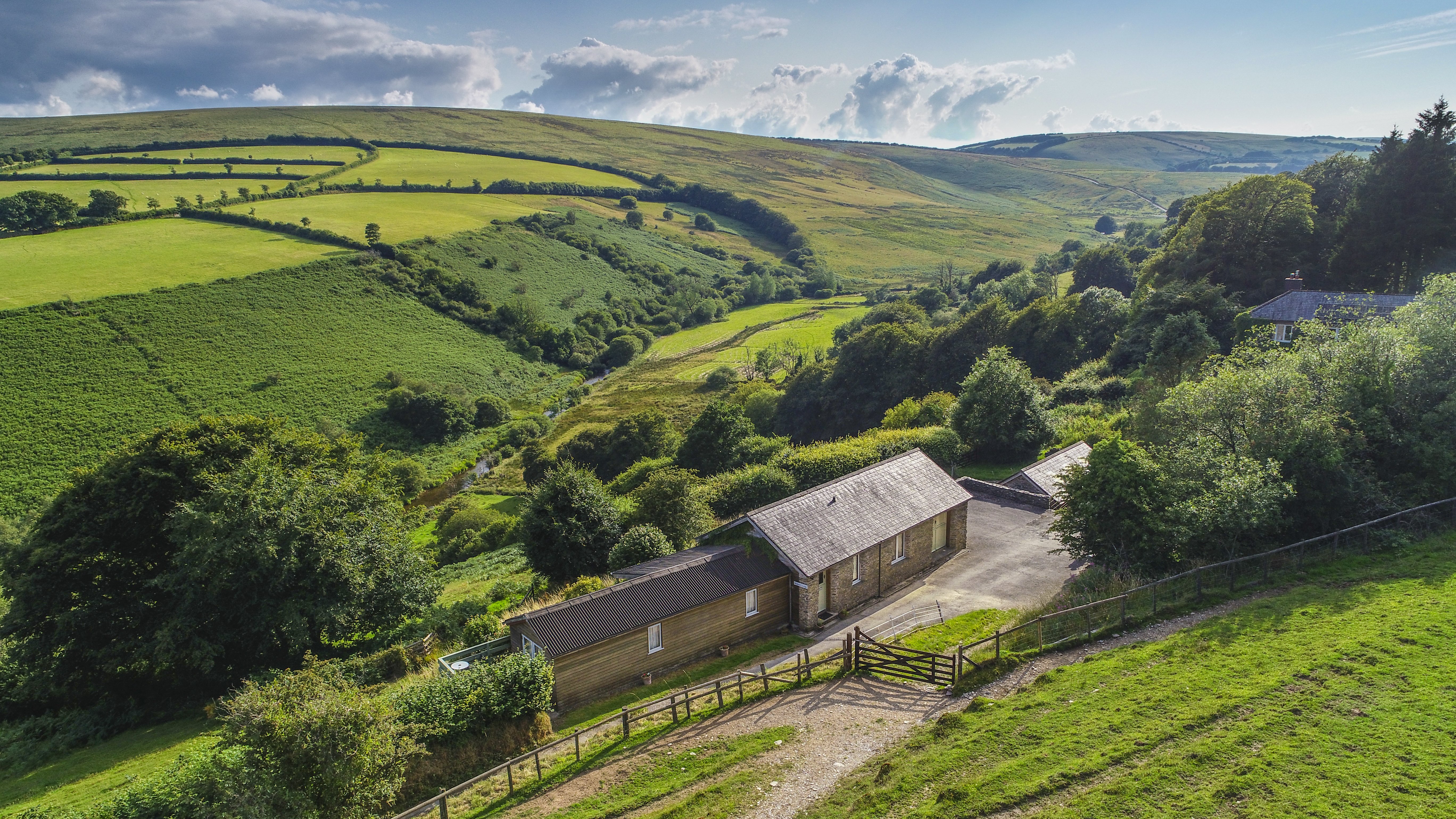
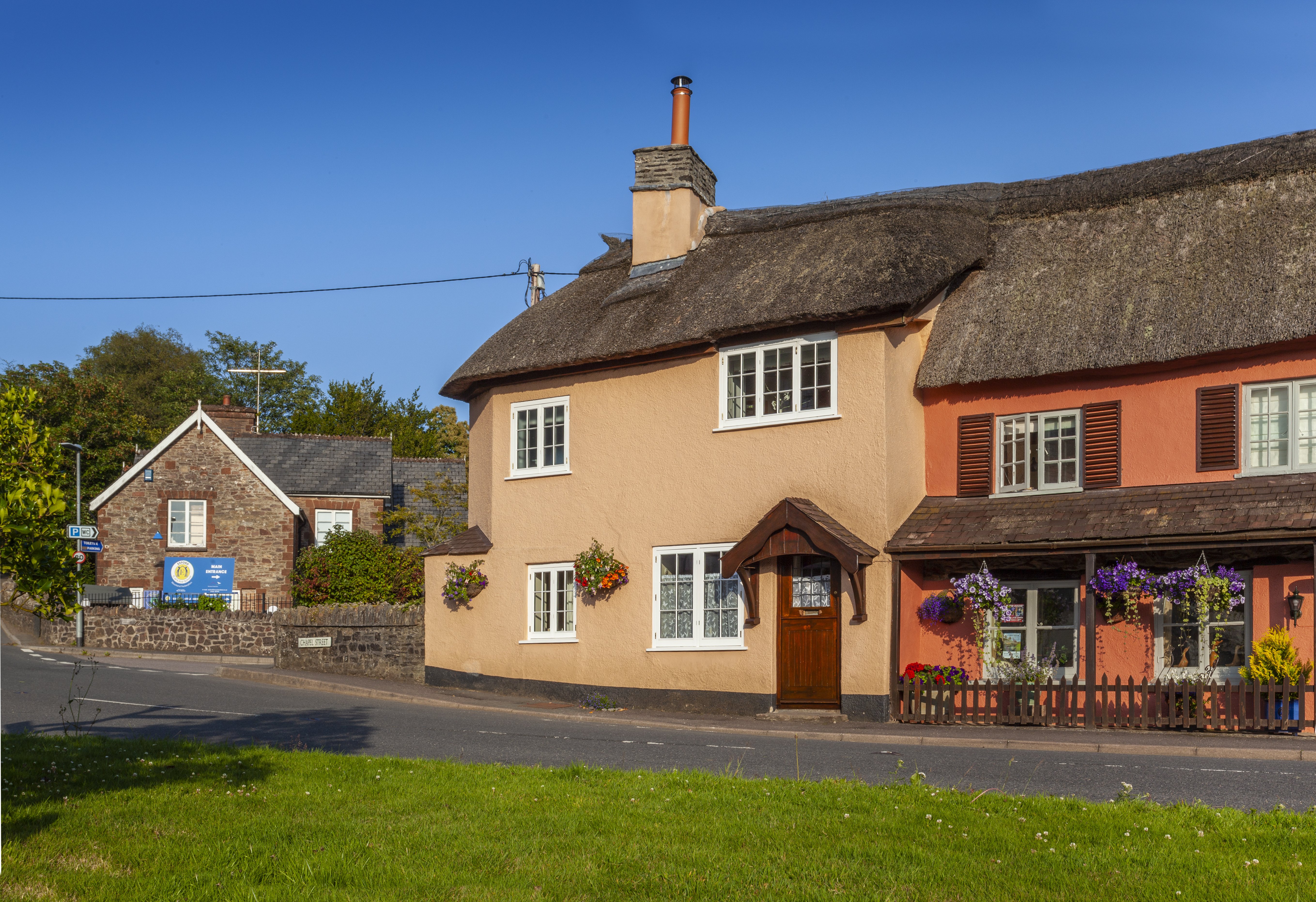
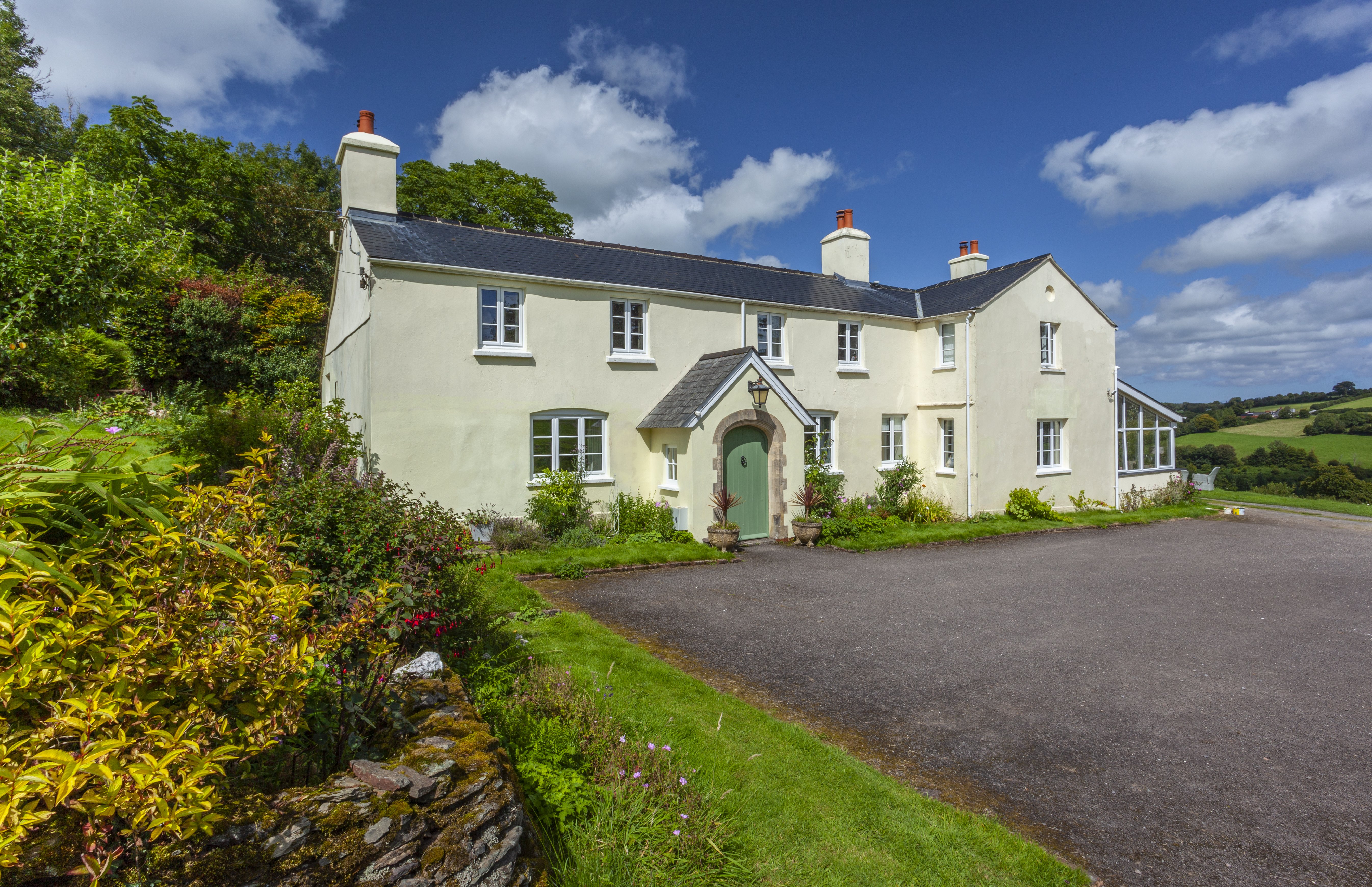
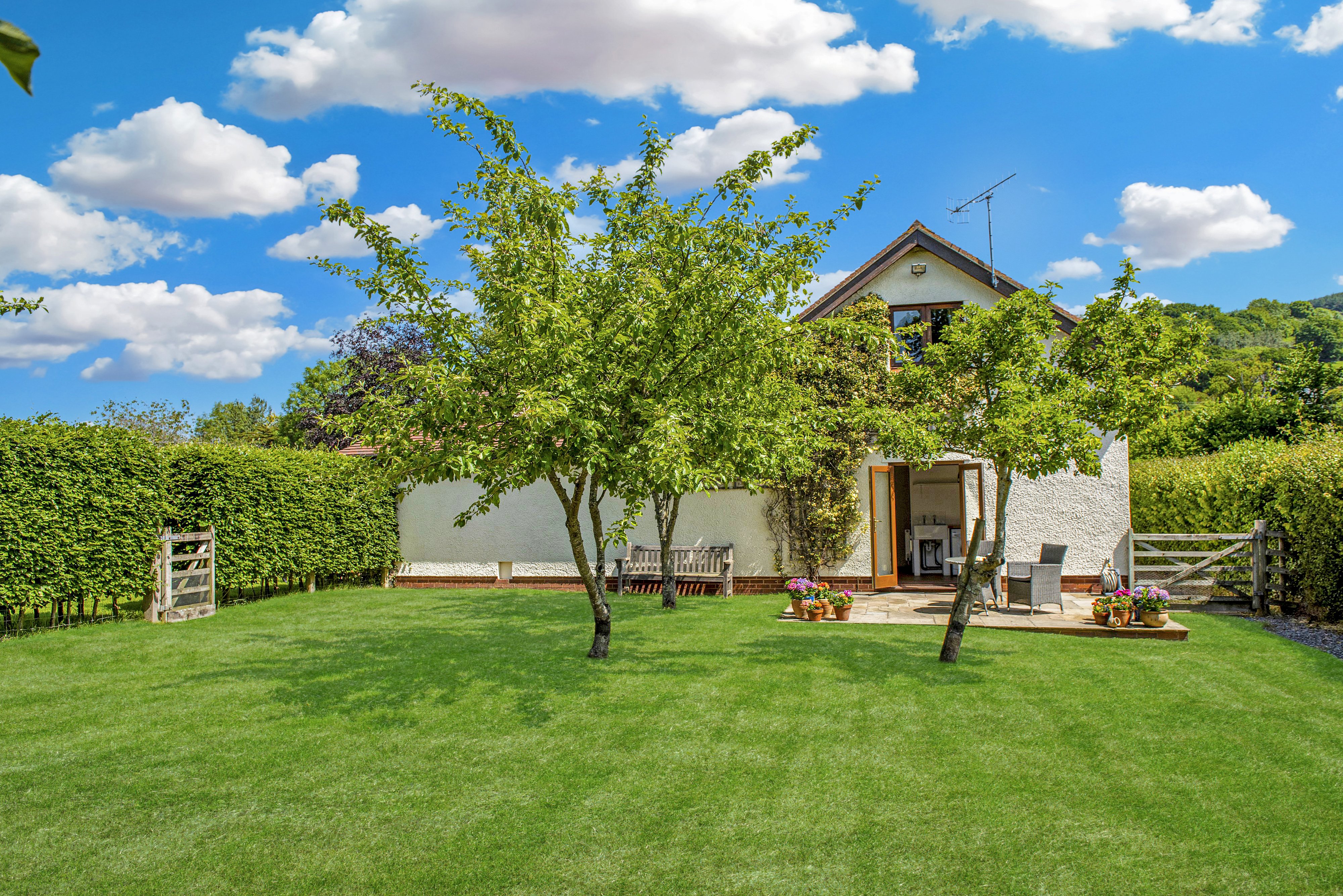
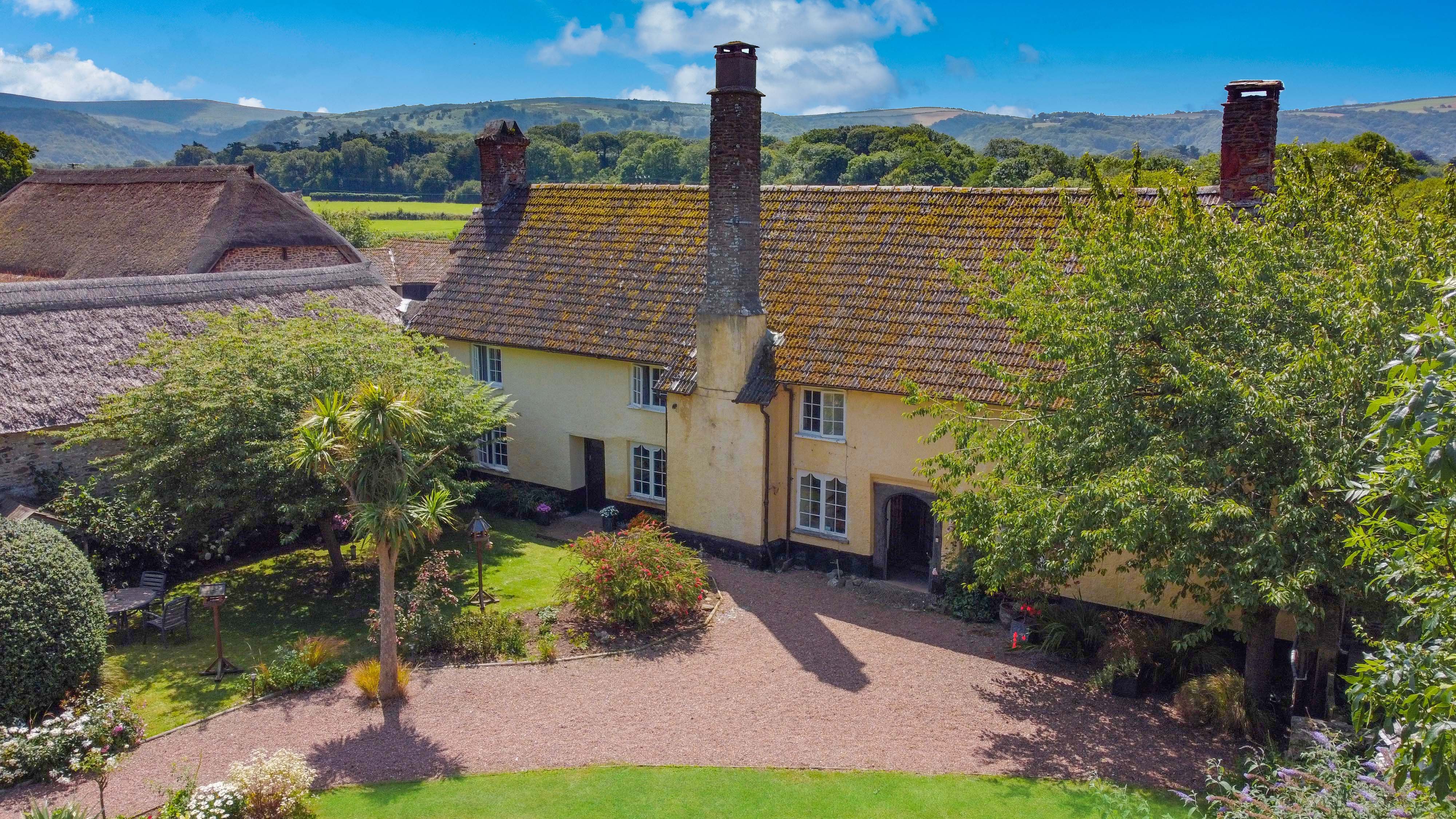
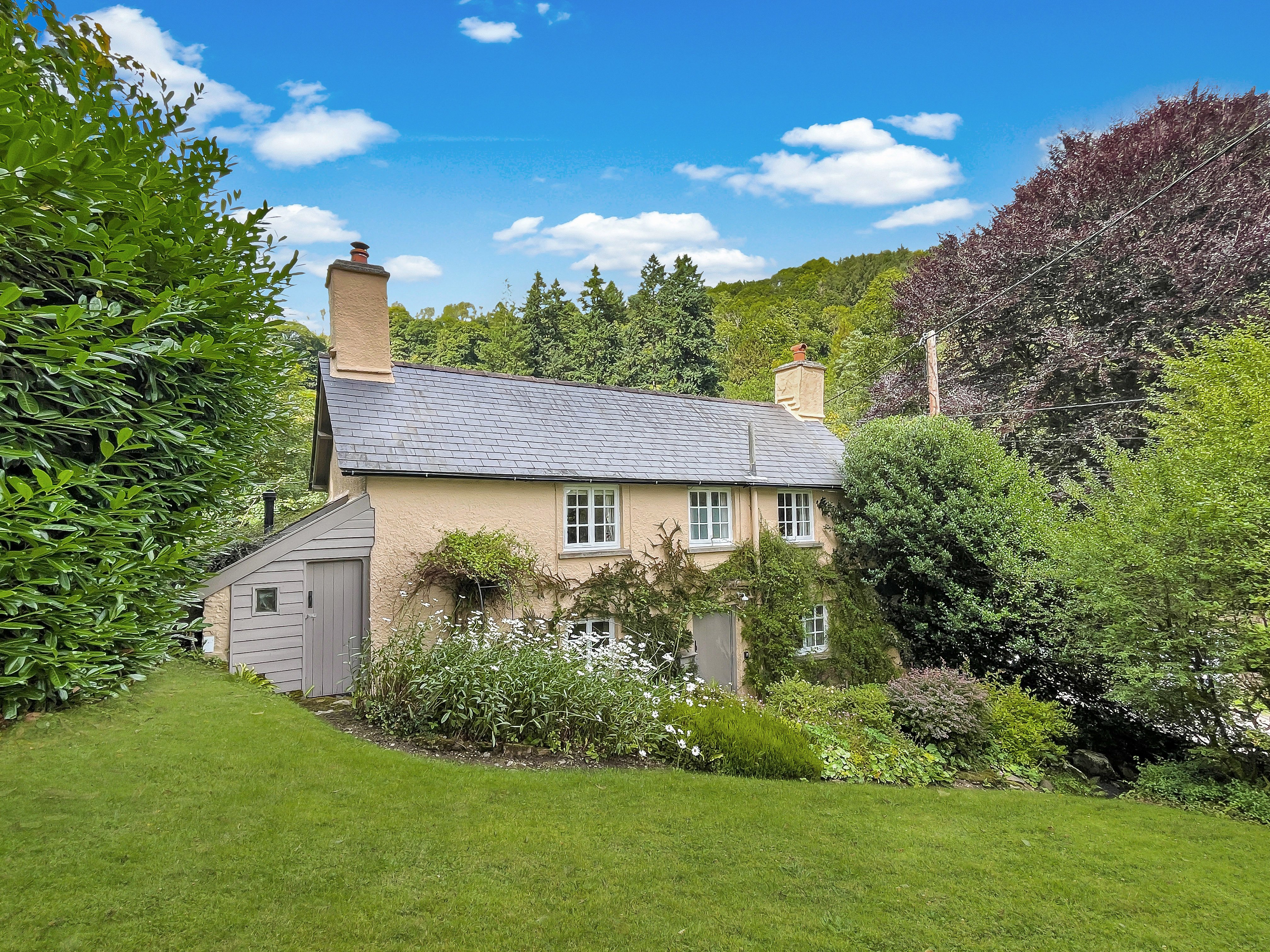
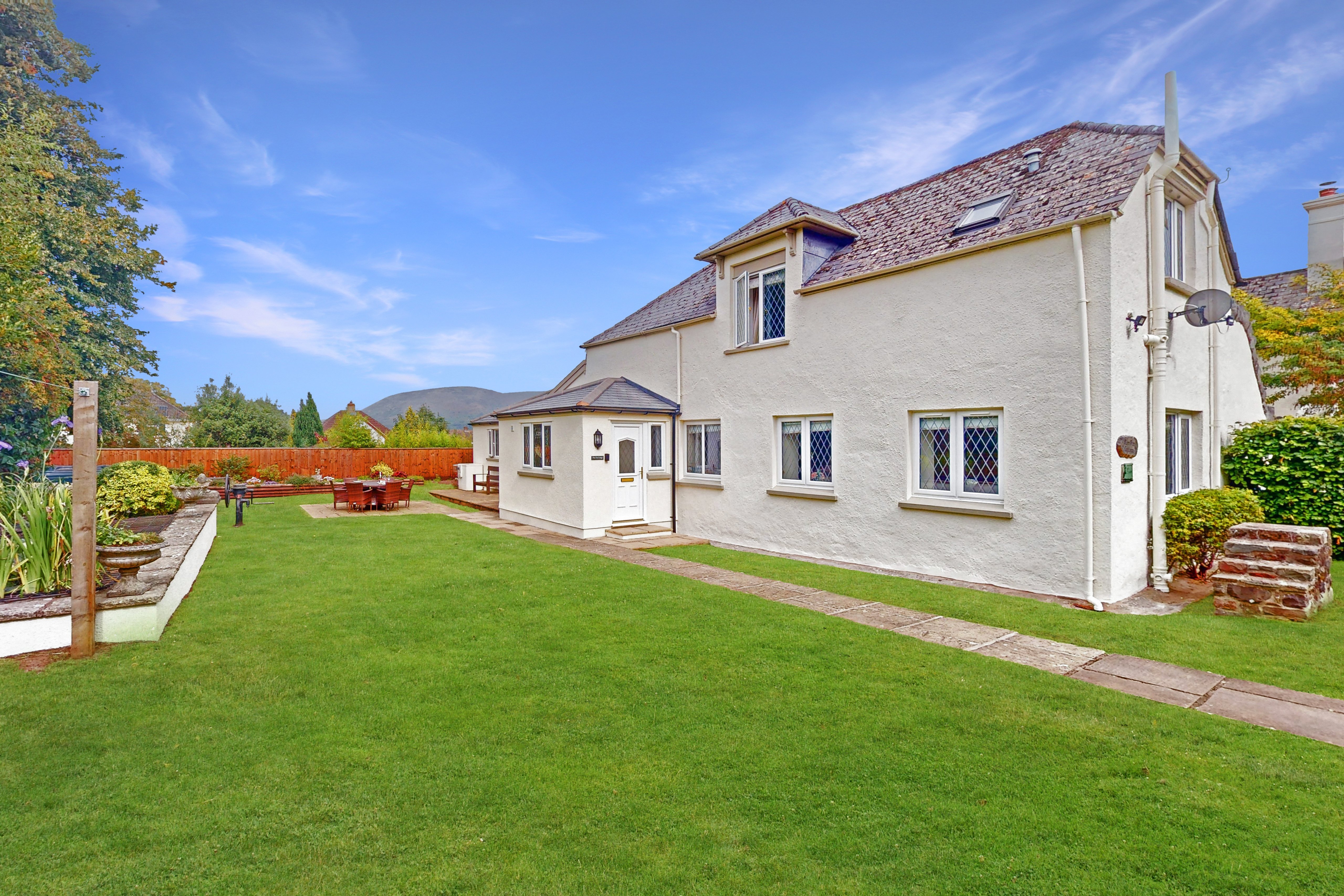
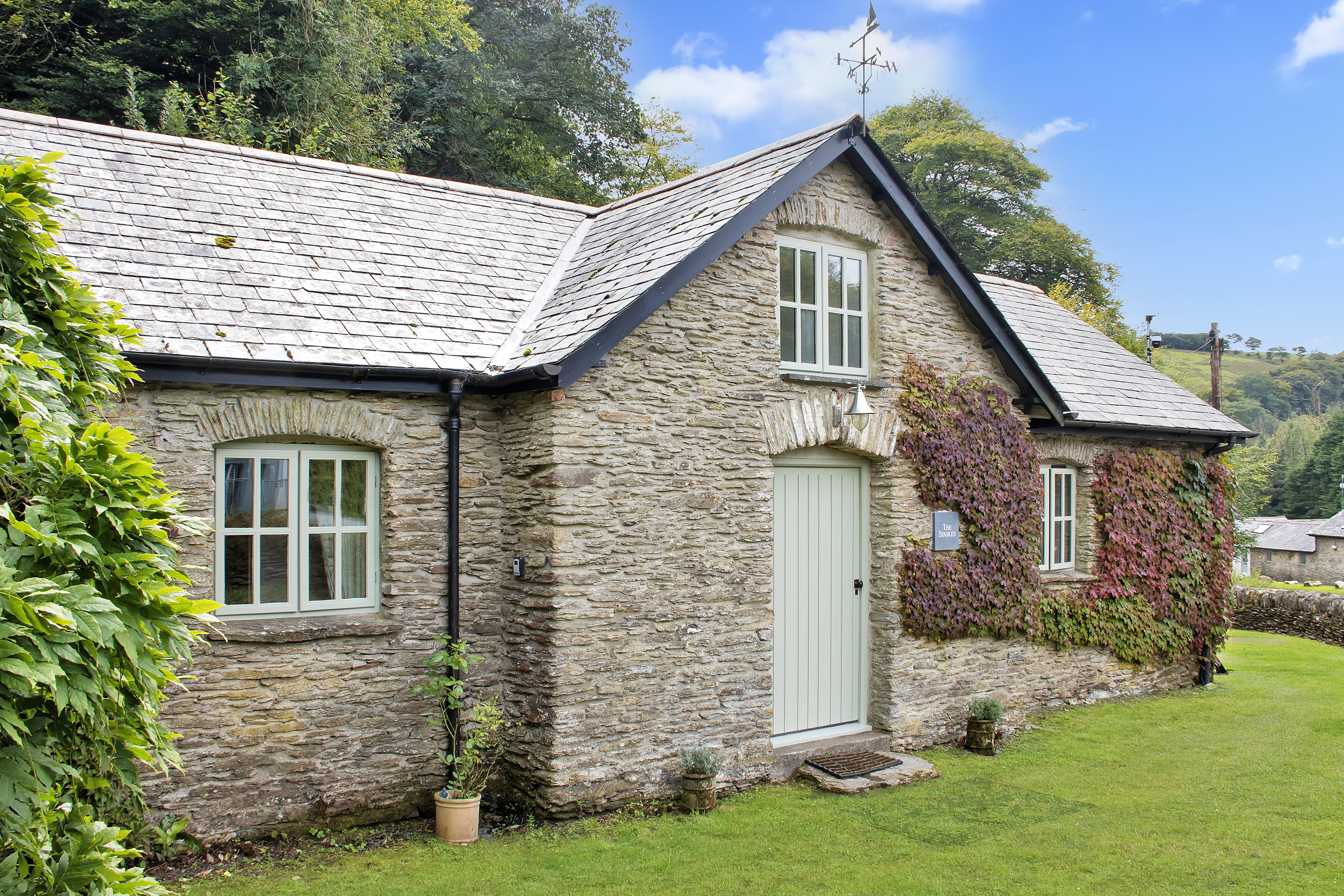
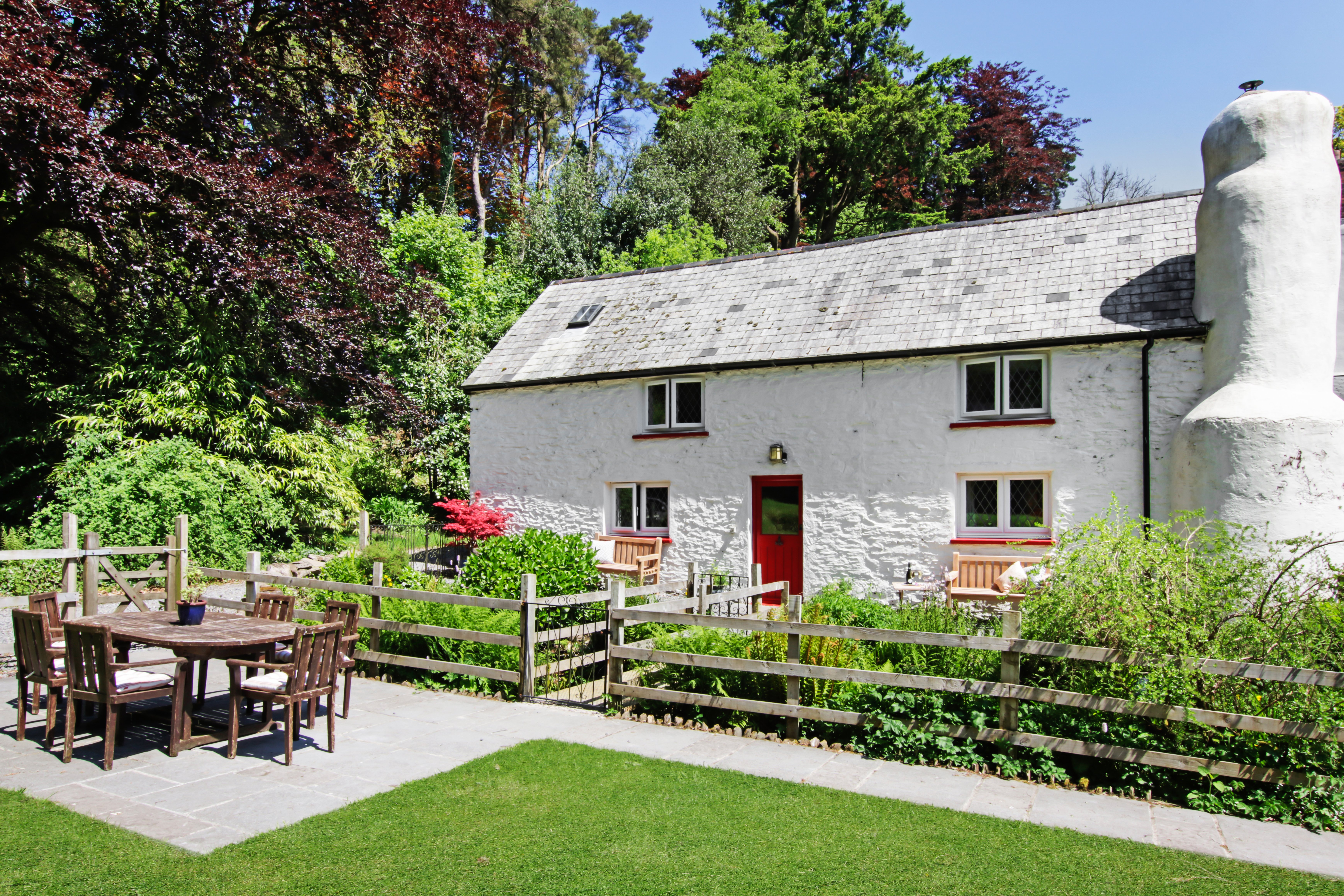
Where to Stay for a Wildlife Holiday
Handpicked cottages near Exmoor’s best wildlife watching spots
9. Top Tips for Spring Wildlife Watching
- Go early or late — Dawn and dusk are the best times for deer, otters and many birds
- Bring binoculars — Essential for birdwatching and deer spotting from a safe distance
- Wear muted colours — Avoid bright clothing that may startle wildlife
- Be patient and quiet — The best sightings come to those who wait
- Keep dogs on leads — Especially during lambing season (March–May) and near ground-nesting birds
- Respect wildlife — Never approach, feed or touch wild animals, particularly deer and ponies with young
- Check the weather — Spring on Exmoor can be changeable; layers and waterproofs are essential
- Download the Merlin Bird ID app — Brilliant for identifying birdsong on your walk
Frequently Asked Questions
Explore Exmoor This Spring
From the first lambs of March to the migrant birds of May, spring on Exmoor is a wildlife lover’s paradise. With its ancient woodlands, open moorlands, clear rivers and dramatic coastline, there’s no better place in England to immerse yourself in nature’s spring awakening.
For more Exmoor wildlife reading, explore our guides to Exmoor’s animals, April on Exmoor, and March on Exmoor.
Ready to Explore Exmoor This Spring?
Browse our collection of handpicked holiday cottages across Exmoor National Park — the perfect base for your spring wildlife adventure.