Planning a Wildlife Adventure on Exmoor?
Stay in a remote cottage in the heart of “Beast Country” – perfect for exploring Exmoor’s wild moorlands.
The Beast of Exmoor is one of Britain’s most enduring mysteries – a large, panther-like creature said to roam the remote moorlands of Exmoor National Park. For over 50 years, locals and visitors have reported sightings of this elusive big cat, making it one of the most famous cryptids in the UK.
Whether you’re a believer, a sceptic, or simply curious, the legend of the Beast adds an extra layer of intrigue to exploring Exmoor’s wild and beautiful landscapes. In this guide, we explore the history, sightings, theories, and the best places to visit if you want to search for the Beast yourself.
In This Guide
1. What is the Beast of Exmoor?
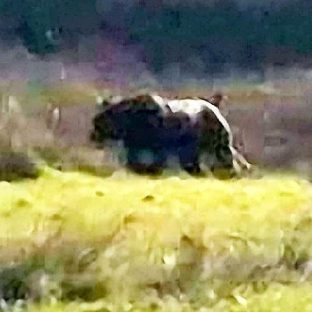
The Beast of Exmoor is described as a large, wild cat – typically resembling a black panther or puma – that has been spotted across the moors and farmlands of Exmoor in Somerset and Devon since the 1970s.
| Beast of Exmoor: Quick Facts | |
|---|---|
| First Major Sightings | 1970s onwards |
| Typical Description | Large cat, 1-2 metres long (nose to tail) |
| Colour | Dark grey, tan, or black |
| Similar To | Panther, puma, or large feral cat |
| Status | Unconfirmed – no definitive proof exists |
The creature is part of Britain’s broader “big cat” phenomenon, with similar beasts reported across the country. However, Exmoor’s remote terrain, dark valleys, and sparse population make it a particularly compelling location for such a creature to exist undetected.
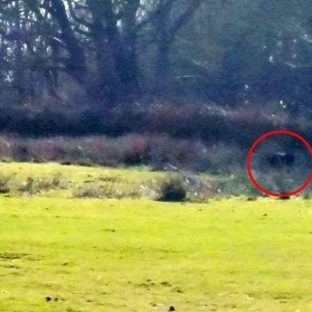
The Beast is typically described as a large, panther-like creature
2. Famous Sightings & Evidence
The 1983 Livestock Attacks
The Beast gained national attention in the early 1980s when a South Molton farmer reported losing over 100 sheep in just three months. The injuries were described as consistent with large cat attacks – clean kills with claw marks that domestic dogs couldn’t replicate.
The attacks were so severe that the Royal Marines were deployed to Exmoor in 1983 to hunt the creature. Despite extensive searching with night-vision equipment and trained snipers, no beast was captured – though some soldiers reported brief sightings.
The 2006 Puma Skull
In 2006, a significant piece of evidence emerged when a Devon farmer discovered a puma skull. The British Big Cats Society confirmed it was genuine. However, DEFRA maintained their official position: “Based on the evidence, DEFRA does not believe that big cats are living in the wild in England.”
Ongoing Sightings
Sightings continue to this day. Walkers, farmers, and drivers regularly report seeing large cat-like creatures, particularly around:
- Simonsbath and the remote central moors
- Exford and the surrounding valleys
- South Molton area (Devon side)
- Dulverton and the Barle Valley
3. Theories & Explanations
The Exotic Pet Theory
The most widely accepted explanation relates to the Dangerous Wild Animals Act 1976. Before this law, keeping exotic pets like big cats was largely unregulated in the UK. When the act came into force, requiring expensive licences and strict conditions, it’s believed some owners may have simply released their animals into the wild.
A black leopard or puma released in the 1970s could theoretically have survived for 12-15 years – but this wouldn’t explain sightings continuing into the 2020s. Unless there’s a breeding population…
The Hybrid Theory
Some researchers have suggested the possibility of a hybrid big cat. Carl Hagenbeck, a famous animal collector, successfully bred a leopard-puma hybrid in captivity in the early 20th century. Could a similar hybrid exist on Exmoor?
The Sceptical View
Sceptics argue that most sightings are simply misidentified animals:
- Large domestic cats (some can reach impressive sizes)
- Dogs, particularly black ones seen at a distance
- Deer – their movement can appear cat-like in poor light
- Psychological factors – we see what we expect to see
Stay in the Heart of Beast Country
Our remote cottages near Exford, Simonsbath, and Dulverton put you right in the middle of Exmoor’s wildest terrain.
4. Where to Look for the Beast
If you fancy yourself a Beast-hunter, here are the best areas to explore. These remote locations offer the terrain a large cat would need: cover, prey, water, and minimal human disturbance.
| Location | Why It’s Good | Explore |
|---|---|---|
| Simonsbath & Central Moors | Remote heart of Exmoor – vast moorland with deep valleys. Most credible sightings occur here. | View Walks |
| Barle Valley (Dulverton) | Wooded valley provides perfect cover. Visit Tarr Steps and explore ancient woodlands. | Tarr Steps |
| Exford & Surrounding Hills | Village at crossroads of valleys – ideal predator terrain. Walk to Dunkery Beacon at dusk. | Stay Here |
| South Molton Area | Devon side of Exmoor. Site of the famous 1983 sheep attacks. | Browse All |
Best time to look: Dusk and dawn, when big cats are most active. The autumn rutting season (September-November) is also prime time, as increased deer activity may draw out predators.
5. Exmoor’s Real Wildlife
While the Beast remains elusive, Exmoor is genuinely one of the UK’s best destinations for wildlife. With over 250 square miles of protected National Park, you’re almost guaranteed to see something special.
| Wildlife | Details | Best Time |
|---|---|---|
| Red Deer | England’s largest wild land mammal. 3,000+ roam Exmoor. | Autumn rut (Sept-Nov) |
| Exmoor Ponies | Oldest native British breed, roaming wild on the moors. | Year-round |
| Birds of Prey | Buzzards, kestrels, and peregrine falcons. | Spring-Summer |
| Otters | Found along rivers Barle, Exe, and Lyn. | Dawn/Dusk |
For a guided wildlife adventure, join a Red Deer Safari – expert guides take you into the heart of deer country at dusk.
6. Stay in Beast Country
Make the most of your Exmoor adventure by staying in a holiday cottage right in the heart of “Beast country”. These handpicked properties offer the perfect base for wildlife watching, moorland walks, and exploring Exmoor’s wild landscapes.
| Cottage | Location | Sleeps | Perfect For | Book |
|---|---|---|---|---|
| Cascade Cottage | Exford | 4 | Central Exmoor, moorland walks | Book Now |
| Keeper’s Cottage | Dulverton | 6 | Barle Valley, Tarr Steps nearby | Book Now |
| The Shippen | Withypool | 2 | Remote & romantic, dark skies | Book Now |
| Moorland View | Simonsbath | 5 | Remote central moors, wildlife | Book Now |
Frequently Asked Questions
Is the Beast of Exmoor real?
There’s no definitive proof, but hundreds of credible sightings over 50+ years suggest something unusual exists on Exmoor. Whether it’s a genuine big cat, a hybrid, or misidentified animals remains a mystery.
Is it dangerous to walk on Exmoor?
No. There has never been a reported attack on a human. If a big cat does exist, it’s extremely shy and avoids people. Exmoor is perfectly safe for walking.
When is the best time to spot the Beast?
Dusk and dawn are when big cats are most active. Autumn (September-November) is particularly good, as increased deer activity may draw out predators.
Where have most sightings occurred?
The central moors around Simonsbath, Exford, and the Barle Valley (near Dulverton) have the highest concentration of reported sightings.
What other wildlife can I see on Exmoor?
Exmoor is home to red deer, wild Exmoor ponies, otters, badgers, foxes, and numerous bird species. A deer safari is a great way to see wildlife up close.
Explore More of Exmoor
Ready to Explore Wild Exmoor?
Browse our collection of handpicked holiday cottages across Exmoor National Park.
Trusted by thousands of guests | Price match guarantee | Book direct for best rates