
☰
Bluebells on Exmoor — A Seasonal Spectacle
From ancient oak woodlands to hidden coastal valleys, Exmoor’s bluebell displays are among the finest in Britain. Book a cottage and experience them for yourself.
Browse Cottages →
Every spring, Exmoor’s ancient woodlands are transformed into shimmering carpets of blue. From mid-April through to late May, native bluebells — Hyacinthoides non-scripta — burst into flower beneath the canopy of centuries-old oaks, creating one of Britain’s most magical natural displays. Exmoor National Park is home to some of the finest bluebell woods in the South West, and many of them are just a short walk from your holiday cottage door.
Whether you’re a keen photographer chasing that perfect woodland shot, a family looking for an easy spring walk, or simply someone who wants to breathe in the sweet scent of wild bluebells on a quiet morning, this guide covers the best spots and walks to see them. We’ve also included our favourite cottages near each location so you can make a proper break of it.
Image Credit: Neville Stanikk
1. Horner Wood — Exmoor’s Finest Bluebell Walk
Horner Wood is widely considered the best bluebell spot on Exmoor, and with good reason. This National Nature Reserve is one of the largest ancient oak woodlands in England, covering over 800 acres of the Holnicote Estate. In late April and early May, the woodland floor erupts with bluebells that stretch as far as the eye can see, filling the air with their delicate fragrance.
The easiest walk starts from the Horner village car park (free for National Trust members). Follow the well-marked path along Horner Water upstream — within 10 minutes you’ll be surrounded by bluebells on both sides. For a longer circular walk (about 4 miles), continue up through the woods to Webber’s Post viewpoint and loop back down via Stoke Pero. The combination of gnarled oaks, tumbling streams, and that ocean of blue is unforgettable.
Walk details: 2–4 miles · Easy to moderate · Allow 1.5–3 hours · Free NT car park at Horner · Dogs welcome on leads · Best: late April to mid-May
Stay Near Horner Wood
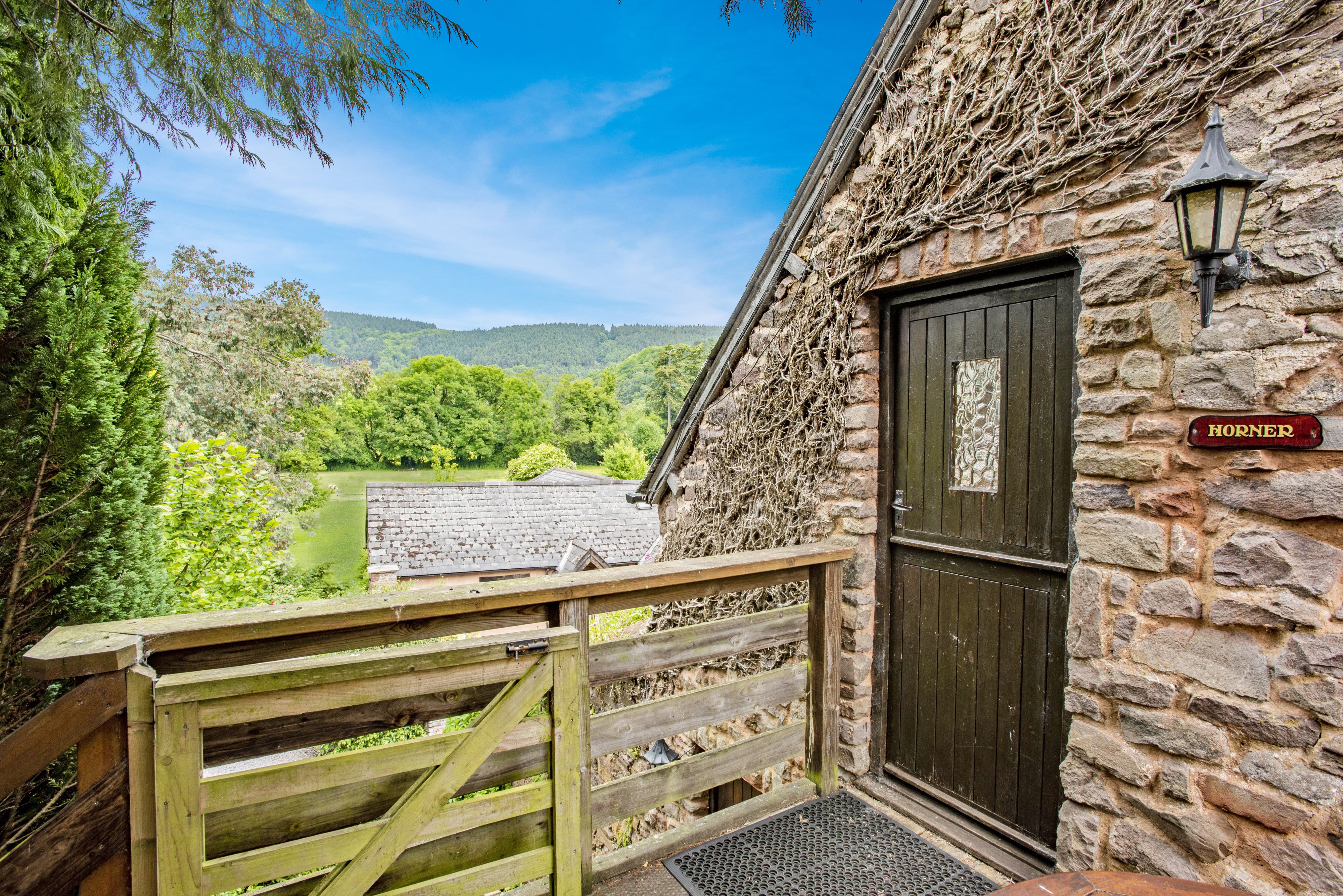
Horner Apartment, Near Dunster
Sleeps 2 · 1 Bedroom
Book

Horner Cottage, Luccombe
Sleeps 2 · 1 Bedroom
Book
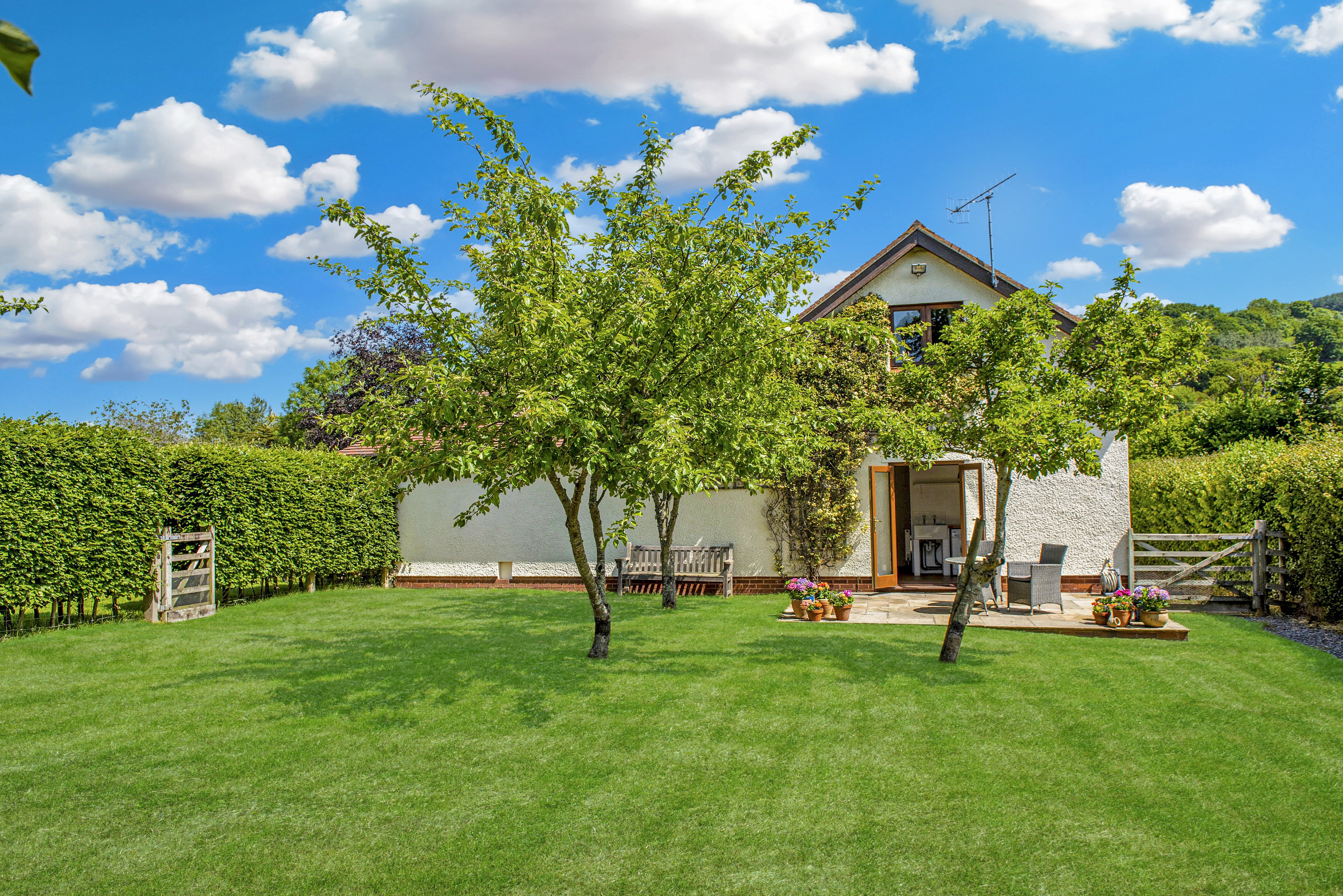
Dunkery View, Wootton Courtenay
Sleeps 2 · 1 Bedroom
Book
2. Heddon Valley & The Heddon’s Mouth Walk
Tucked into the dramatic north coast of Exmoor, Heddon Valley is a National Trust gem that puts on a superb bluebell show each spring. The steep-sided valley channels the sea air inland, creating a unique microclimate where bluebells thrive alongside wild garlic, giving the woodland a heady, almost intoxicating scent.
Start at the
Hunter’s Inn car park and follow the river path towards
Heddon’s Mouth — a rocky cove where the River Heddon meets the sea. The 2-mile walk to the coast is mostly flat and easy, with bluebells lining both sides of the path. For a more challenging loop, climb the zigzag path up to Highveer Point for breathtaking coastal views, then return via the woodland above. The bluebells here tend to peak in the first two weeks of May.
Walk details: 2–5 miles · Easy (valley floor) to strenuous (cliff path) · Allow 1–3 hours · NT car park (free for members) · Dogs welcome · Best: late April to mid-May
Stay Near Heddon Valley

Lorna Doone Cottage, Lynmouth
Sleeps 4 · 2 Bedrooms
Book

Penthouse Lynmouth Bay
Sleeps 6 · 3 Bedrooms
Book

Pip’s Corner, Lynton
Sleeps 6 · 3 Bedrooms
Book
3. Watersmeet & Countisbury Woods
Watersmeet is one of Exmoor’s most dramatic woodland settings — a deep, steep-sided gorge where the East Lyn River meets Hoar Oak Water in a thundering confluence. In spring, the ancient sessile oak woods that cling to the valley sides are lit up by sweeping drifts of bluebells, contrasting beautifully with the mossy boulders and rushing water below.
The classic walk starts from Watersmeet House (a National Trust tea room — excellent cake) and follows the river upstream for a mile or so to Ash Bridge. The bluebells are at their best along the steep banks above the path. For a more adventurous outing, take the Countisbury Hill path from Lynmouth, which climbs through bluebell-filled woods with stunning views back across the harbour and out to the Bristol Channel.
Walk details: 2–6 miles · Moderate (steep in places) · Allow 2–4 hours · NT car park at Watersmeet · Dogs welcome on leads · Best: late April to early May
Stay Near Watersmeet
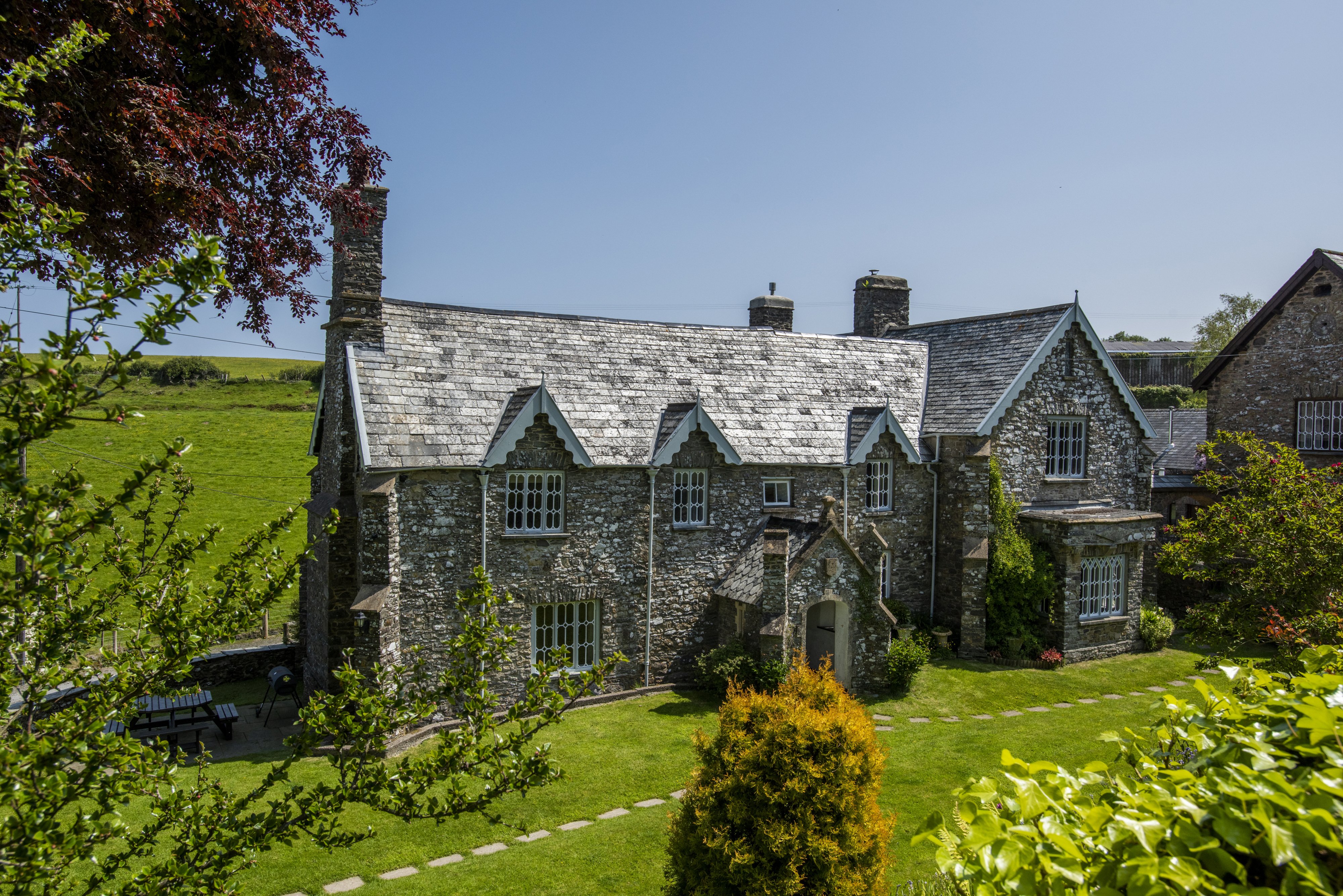
Yenworthy Cottage, Countisbury
Sleeps 6 · 3 Bedrooms
Book
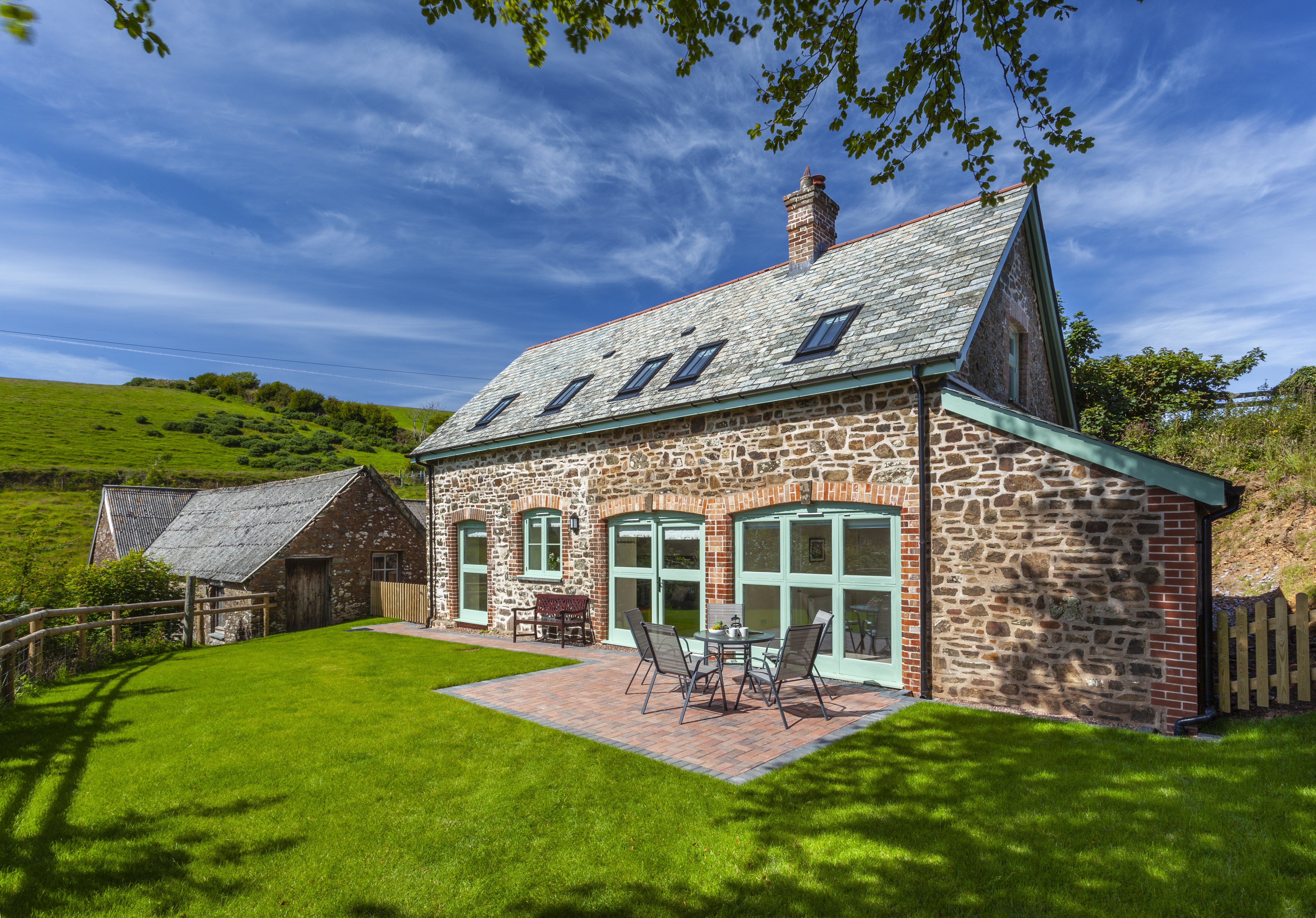
Dashel Cottage, Countisbury
Sleeps 6 · 3 Bedrooms
Book

Riverside Cottage, Brendon
Sleeps 4 · 2 Bedrooms
Book
4. Dunster Castle & Grabbist Hill
The medieval village of
Dunster is a wonderful base for bluebell walks. The woods surrounding
Dunster Castle put on a lovely display in late April, with bluebells carpeting the slopes beneath the castle walls. The castle’s subtropical gardens are also at their spring best, making it easy to combine a bluebell walk with a castle visit.
For a quieter experience, head to Grabbist Hill — a wooded ridge just south of Dunster that few visitors discover. A 3-mile circular walk from Dunster Steep takes you through mixed woodland where bluebells grow among ancient beeches and wild cherry trees. The views over Dunster village and the castle from the hilltop are gorgeous, and you’ll likely have the woods to yourself. Croydon Hill, just beyond, offers more bluebell pockets along its forest trails.
Walk details: 2–4 miles · Easy to moderate · Allow 1.5–2.5 hours · Free parking at Dunster Steep or NT castle car park · Dogs welcome · Best: mid-April to early May
Stay in Dunster

Grist Mill, Dunster
Sleeps 8 · 4 Bedrooms
Book

Pebble Cottage, Dunster
Sleeps 4 · 2 Bedrooms
Book

One Grooms Cottage, Dunster
Sleeps 6 · 3 Bedrooms
Book
5. Tarr Steps & the Barle Valley
Tarr Steps — Exmoor’s iconic prehistoric clapper bridge — sits in the heart of one of the moor’s most beautiful river valleys. The ancient oak woodland that lines the River Barle on both sides of the bridge is a designated Site of Special Scientific Interest, and in spring it hosts a magnificent bluebell display that’s all the more special for its wild, remote setting.
Walk upstream from the bridge along the river path towards Withypool (about 4 miles one way) and you’ll pass through mile after mile of bluebells. The woods here are full of wildlife too — look out for dippers bobbing on the river rocks, pied flycatchers in the canopy, and if you’re lucky, red deer grazing on the valley slopes at dawn. The car park at Tarr Steps can get busy on sunny weekends, so arrive early or visit midweek for the most peaceful experience.
Walk details: 2–8 miles · Easy (riverside) to moderate (Withypool loop) · Allow 1.5–4 hours · Pay & display car park at Tarr Steps · Dogs welcome on leads · Best: late April to mid-May
Stay Near Tarr Steps

Stockham Farm, Dulverton
Sleeps 4 · 2 Bedrooms
Book

Merrijig, Dulverton
Sleeps 6 · 3 Bedrooms
Book

Meadow View, Brushford
Sleeps 6 · 3 Bedrooms
Book
6. Porlock Vale & Selworthy Woods
The sheltered
Porlock Vale sits in a natural bowl between Exmoor’s high moors and the Bristol Channel coast, creating ideal growing conditions for bluebells.
Selworthy Woods, part of the Holnicote Estate, is the standout spot here — a beautiful mix of beech and oak woodland on the lower slopes of Selworthy Beacon where bluebells grow in profusion.
Start from the pretty thatched village of Selworthy (National Trust, free parking for members) and walk uphill through the woods towards the beacon. The bluebells are at their finest along the lower paths, but the views from higher up — across the vale to Dunkery Beacon and out to Wales — are worth the climb. You can extend the walk to Bossington via the coast path for a lovely 5-mile circular that takes in bluebells, sea views, and one of Exmoor’s prettiest villages.
Walk details: 2–5 miles · Moderate (uphill sections) · Allow 1.5–3 hours · NT car park at Selworthy · Dogs welcome · Best: mid-April to early May
Stay in Porlock Vale

Plum Tree Cottage, Porlock
Sleeps 6 · 3 Bedrooms
Book

Bossington Cottage, Near Dunster
Sleeps 4 · 2 Bedrooms
Book

Bossington Green Cottage
Sleeps 6 · 3 Bedrooms
Book
7. Tips for Visiting Bluebell Woods
A few things worth knowing before you head out to see the bluebells on Exmoor:
- Timing is everything. Peak bluebell season on Exmoor typically runs from mid-April to mid-May, though it varies year to year depending on the weather. Sheltered valleys and south-facing slopes flower first; higher, more exposed woodland comes later.
- Stay on the paths. Bluebells are fragile — once trampled, they can take years to recover. Please stick to marked footpaths and resist the temptation to walk among them for photos.
- Go early or late. Bluebell woods are at their most magical in the soft light of early morning or late afternoon. You’ll also avoid the busiest times at popular spots like Horner Wood and Tarr Steps.
- Look for wild garlic too. Many of Exmoor’s bluebell woods also host wild garlic (ramsons), which flowers at the same time. The combination of blue and white flowers with that unmistakable garlic scent is a quintessential spring experience.
- Keep dogs on leads. Spring is nesting season for ground-nesting birds, and many bluebell woods are also home to grazing livestock with young lambs.
- Wear sturdy footwear. Woodland paths can be muddy and slippery in spring, especially after rain. Walking boots or wellies are recommended.
Native vs. Spanish Bluebells
Exmoor’s bluebells are the native British species (Hyacinthoides non-scripta), easily recognised by their deep violet-blue colour, one-sided drooping flower heads, narrow tubular bells, and sweet fragrance. Spanish bluebells (Hyacinthoides hispanica), common in gardens, are paler, wider, and have flowers all around the stem. The two species can hybridise, which threatens native populations — another reason to enjoy Exmoor’s pure, ancient bluebell woods while you can.
Frequently Asked Questions
When is the best time to see bluebells on Exmoor?
Bluebell season on Exmoor typically runs from mid-April to mid-May. The exact timing varies each year depending on spring temperatures and rainfall. Sheltered, south-facing woodlands like Horner Wood tend to flower first, while higher or more exposed sites peak a week or two later.
Where is the best place to see bluebells on Exmoor?
Horner Wood near Porlock is widely regarded as the finest bluebell wood on Exmoor. Other exceptional spots include Heddon Valley near Lynmouth, Watersmeet, the woods around Tarr Steps, Selworthy Woods, and the slopes around Dunster Castle. All are easily accessible on foot.
Are the bluebell walks on Exmoor dog-friendly?
Yes, all of the walks listed in this guide welcome dogs, though they should be kept on leads during spring to protect ground-nesting birds and young lambs. Many of our holiday cottages are dog-friendly too — just filter by “dog-friendly” when browsing our collection.
Can I pick bluebells on Exmoor?
No. Native bluebells are protected under the Wildlife and Countryside Act 1981. It is illegal to dig up wild bluebell bulbs, and picking flowers from land you do not own is not permitted. Please enjoy them where they grow and leave them for others to appreciate.
Are the bluebell walks suitable for children?
Most of the walks in this guide are suitable for families with children. The riverside path at Horner Wood, the flat valley walk at Heddon Valley, and the lower paths through Selworthy Woods are all easy going. Tarr Steps is also a great family outing — children love crossing the ancient clapper bridge.
Do I need to pay for parking at bluebell woods on Exmoor?
Several of the best bluebell woods are on National Trust land, where parking is free for NT members. Non-members pay a small car park fee (typically around three to five pounds). Tarr Steps has a pay and display car park managed by Somerset Council. Dunster Steep has free roadside parking.
Book Your Bluebell Break on Exmoor
Browse our collection of hand-picked holiday cottages across Exmoor — from cosy retreats for two to spacious family homes, all within easy reach of the best bluebell woods.
Browse All Cottages →
THE BEST OF EXMOOR
We’re a tiny, passionate team of locals who know and love Exmoor. Our mission is simple: to help you find your perfect holiday while showcasing the best this incredible area has to offer.
© 2026 The Best of Exmoor. All rights reserved.